
The Art of the Scrappy Pantry: How Fine Dining Masters Zero-Waste Flavor
Why Fine Dining Is Turning Scraps into Culinary Gold
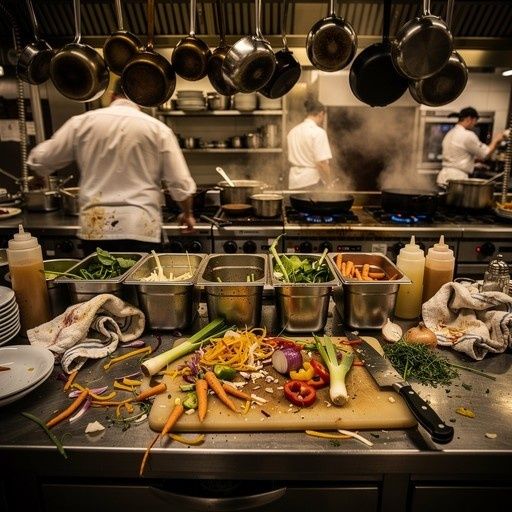
In the most thoughtful dining rooms, sustainability is moving beyond a polished phrase on the menu. The more compelling work happens behind the pass, where chefs reconsider what belongs in the bin and what deserves another transformation. Carrot tops become vivid oils, fish bones become broths, fruit skins become vinegar, and surplus bread may return as a sauce thickener or fermented seasoning. This is not austerity disguised as luxury. It is a more exacting form of hospitality, one that asks a kitchen to extract every worthwhile note from an ingredient before moving on.
For diners, the result can be remarkably expressive. Trimmings, collars, skins, seeds, and spent grains often carry concentrated aroma, minerals, fat, or texture. Through salting, drying, roasting, enzymatic fermentation, and careful aging, these side streams can produce flavors with greater depth than a pristine ingredient used only once. A tasting menu built around such techniques may move from bright fruit-scrap vinegar to a dark fish garum, with each course balancing richness against acidity. The pleasure lies in discovering that resourcefulness, handled with precision, can taste every bit as luxurious as abundance.
The Secret Chemistry of Scrappy Umami
Umami is often described as a single savory sensation, but the finest kitchens build it in layers. Koji, the mold culture used in foods such as miso and sake, supplies enzymes that break proteins and starches into smaller flavor compounds. Applied to mushroom stems, meat trim, cooked grains, or vegetable pulp, it can create a seasoning that is rounded, aromatic, and quietly persistent. The process is less about disguising leftovers than about making their existing potential more available to the palate.
Fish scraps are particularly valuable. Collars, heads, bones, skin, roe, and organs contain fat, collagen, minerals, and naturally savory compounds that can enrich a sauce or broth. A fish garum adapts the ancient logic of fermented fish sauce to a modern professional kitchen. One documented method combines fish trimmings with 50 percent water and 20 percent fine salt, then ferments the sealed mixture at approximately 40 degrees Celsius for seven days with daily stirring. The gall bladder must be removed because it can introduce an intensely bitter flavor. Kitchens may also work at room temperature, although controlled heat is recommended because fish ferments can be temperamental.
The important point is operational as well as culinary. A restaurant must decide whether a side stream is suitable for direct reuse, further processing, animal feed, or composting. The EPA wasted food scale offers a useful hierarchy for making those decisions, placing prevention and higher-value uses above disposal. That framework helps connect the romance of fermentation with the practical discipline of purchasing, yield calculation, labeling, and production planning.
- Koji ferments can convert protein-rich or starchy trimmings into savory pastes and sauces.
- Fish garum turns bones, heads, collars, and selected organs into a concentrated seasoning.
- Roasting and reduction intensify bones, vegetable ends, and meat trim before fermentation or stock-making.
- Accurate yield records show whether additional labor creates genuine culinary and financial value.
A restaurant that recovers more from a whole fish can reduce purchasing pressure while expanding its flavor vocabulary. The economics are not automatic, since cleaning, separating, fermenting, and bottling require skilled labor. Yet when a fish liver becomes part of a composed dish, bones become stock, and trim becomes garum, the kitchen is no longer accepting a high waste yield as inevitable. It is treating the animal with greater respect while creating distinctive seasoning that cannot be replicated by a generic sauce.
From Peel to Pour with Fruit Vinegars and Spent Grains
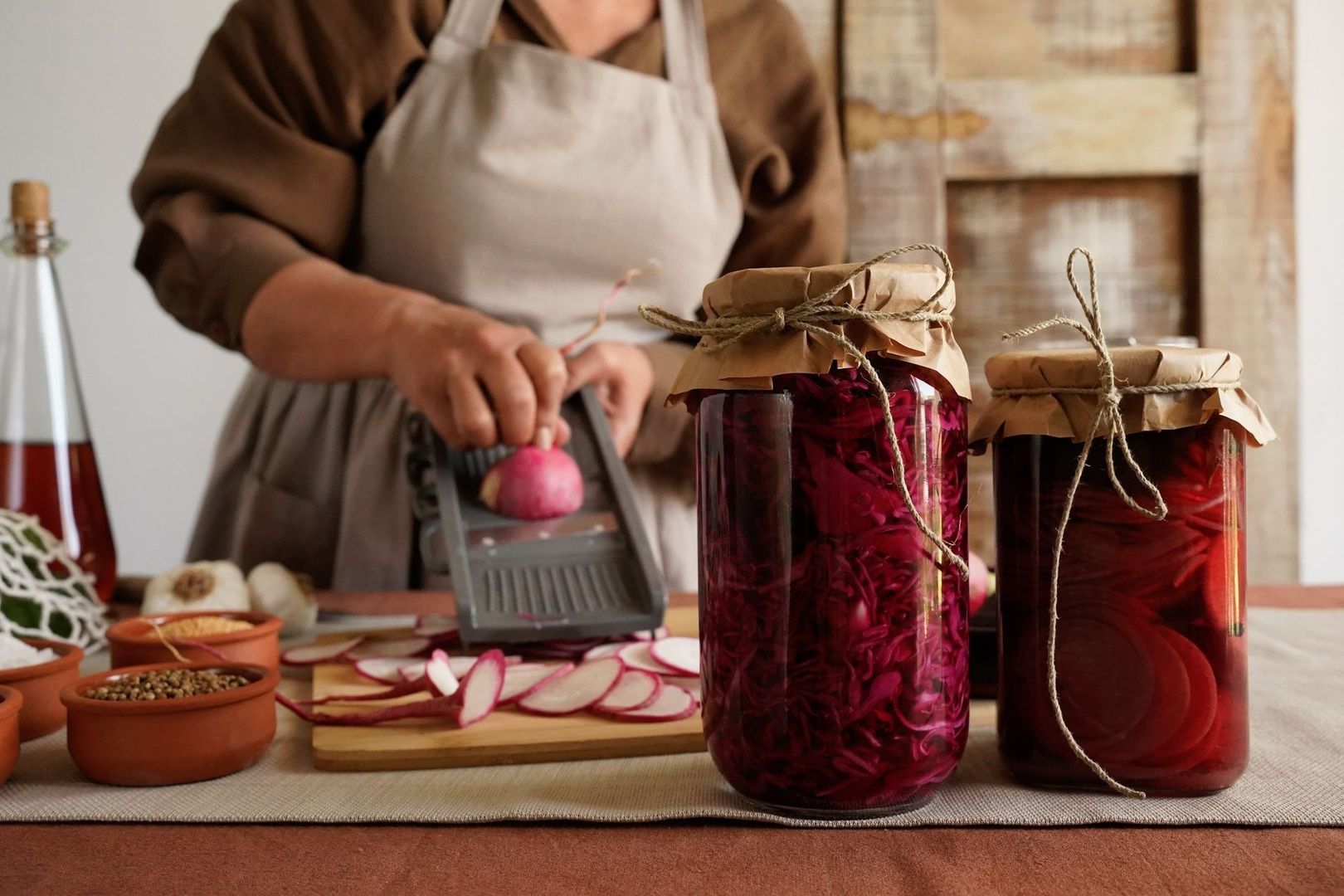
Fruit scraps bring a different kind of intensity. Stone fruit pits, apple cores, citrus rinds, bruised berries, and leftover pulp contain perfume, acidity, bitterness, and tannin. A living vinegar process can gather those qualities into a bright finishing ingredient. Fruit is combined with sugar water and an active vinegar culture, then left to ferment under a breathable covering at room temperature. After roughly two weeks, the solids are strained, and the liquid continues to develop for approximately another month, until the acidity is clean and pronounced.
For a fine-dining kitchen, the appeal is not simply thrift. A fruit-scrap vinegar can be tailored to a particular course or cocktail. Plum skins may bring a wine-like tartness to duck or foie gras, while apple cores can produce a gentler vinegar for shaved fennel, shellfish, or a sparkling aperitif. Citrus rinds contribute aromatic oils and a pleasing edge, although the quantity and bitterness must be managed carefully. Some preparations use a previous vinegar culture, and an accelerated version may include grain alcohol or vodka to support fermentation and acidity. Coverings must also be secure enough to discourage fruit flies, a small but important detail in a professional prep area.
Spent brewery grains offer another substantial stream. Once their sugars have been extracted for beer, the moist grains still retain fiber, toasted aroma, and a soft, malty character. They can be folded into sourdough, baked into crackers, dried for seasoning, or simmered into broths. Their texture rewards thoughtful handling: too much can make bread dense, while a moderate percentage adds chew and a warm cereal note. In a restaurant, spent grain may connect the kitchen and bar programs, giving a beer pairing a culinary echo beyond the glass.
- Notice the opening aroma. Fruit vinegar may smell floral, vinous, citrusy, or lightly earthy before it tastes sour.
- Track the acidity. The best shrub or finishing vinegar brightens a rich dish without flattening its underlying flavors.
- Look for texture. Spent-grain crackers and breads often bring a rustic crispness that contrasts with purées and tender proteins.
- Ask about the pairing. A zero-waste cocktail may use a vinegar shrub, clarified fruit, citrus oleo-saccharum, or a syrup made from cooked scraps.
These ingredients create a particularly enjoyable bridge between kitchen and bar. A fermented fruit shrub can sharpen a spirit-forward drink, while a vinegar reduction can make a fatty course feel lighter. The sensory sequence is often deliberate: sweetness arrives first, acidity follows, then a faint bitterness or fermented depth lingers on the finish. That balance is one reason side-stream ingredients can feel so polished when they reach the dining room.
Operational Realities and Food Safety in Closed-Loop Kitchens
Closed-loop cooking demands more than imagination. Ferments need clearly defined salt ratios, temperature ranges, vessel sanitation, production dates, and storage instructions. Fish garum, fruit vinegar, and vegetable ferments cannot be treated as interchangeable jars on a shelf. Each has a different substrate, moisture level, fermentation speed, and risk profile. A serious kitchen incorporates these preparations into its HACCP plan, with documented controls for receiving, preparation, fermentation, cooling, refrigeration, and service.
Contemporary food safety literature, including an Authoritative Source on fermentation, emphasizes that fermentation is not a guarantee of safety simply because it is traditional. Acidity, salt concentration, water activity, temperature, oxygen exposure, and time all influence whether desirable microorganisms can dominate. The regulatory protocols and control parameters detailed in FDA HACCP fermentation guidance illustrate why controlled conditions and validated processes matter. In practice, that means testing rather than guessing, especially when a restaurant serves a product made from fish, meat, dairy, or other high-risk ingredients.
There are also less glamorous constraints. Fermentation occupies refrigerator and cellar space, and a jar that takes weeks to mature ties up both real estate and working capital. Scraps must be separated at the moment of prep, not after they have been mixed with contamination or discarded packaging. Staff need training so that trim is stored consistently and dated correctly. These tasks can add labor, but waste tracking can reveal where the investment pays off. Industry guidance notes that commercial kitchens may waste 4 to 10 percent of purchased food before it reaches guests, a meaningful loss for a restaurant with a substantial annual food budget.
| Kitchen challenge | Practical control | Guest-facing benefit |
|---|---|---|
| Variable scrap quality | Separate, inspect, and label materials at the prep station | Cleaner, more consistent flavor |
| Fermentation risk | Use validated salt, temperature, time, and acidity controls | Complexity without compromising safety |
| Limited storage | Schedule batches around menu demand and maturation time | Fresher, more purposeful specials |
| Labor overhead | Track yields, labor, and waste reduction together | A sustainable program that remains financially viable |
The strongest programs therefore balance ambition with restraint. Not every peel should become a ferment, and not every bone is worth an elaborate recovery process. A restaurant must ask whether the finished ingredient improves the dish enough to justify the labor, storage, and monitoring. When the answer is yes, closed-loop technique becomes more than a green gesture. It becomes a disciplined part of the restaurant”s identity and an investment in better cooking.
How to Spot Real Closed-Loop Technique on the Menu
Menus often reveal the difference between a meaningful process and a vague sustainability claim. Look for specific language such as house-made amino sauce, fish-bone garum, scrap miso, koji seasoning, fermented shrub, fruit-pit vinegar, spent-grain sourdough, or vegetable-top oil. Specificity matters because it tells you what the kitchen actually did. A phrase such as “zero waste” is broad; “roasted pumpkin-seed garum with fermented stem salsa” communicates a technique, an ingredient, and a flavor direction.
Service is part of the experience as well. Ask the server how a fermented sauce was made, whether the beverage program uses fruit remnants, or which course best demonstrates the kitchen”s whole-ingredient approach. A knowledgeable sommelier can explain how acidity in a shrub mirrors a wine”s freshness, while a chef may suggest a course where a dark amino sauce supplies savory depth without overwhelming the main ingredient. These questions are especially worthwhile during a tasting menu, where small side-stream preparations often set the rhythm between richer and brighter courses.
- Ask whether the restaurant makes its own garums, misos, vinegars, or shrubs.
- Request a recommendation for the clearest example of whole-ingredient cooking.
- Notice whether the menu identifies fermentation time, local sourcing, or a specific by-product.
- Pair rich courses with bright fermented elements to appreciate the intended balance.
When executed well, these techniques improve the architecture of a meal. Acidity keeps a buttery sauce from feeling heavy, umami lengthens the finish of a vegetable course, and fermented fruit adds perfume without relying on extra sugar. The experience feels composed rather than corrective. That is the hallmark of real closed-loop cooking: sustainability is present in the mechanics, but flavor remains the reason the dish belongs on the menu.
Order with Curiosity and Taste the Future of Dining
The next time a menu offers a scrap miso, a fish garum, a fermented shrub, or bread made with spent grain, it is worth ordering with curiosity. These preparations may arrive in small portions, but their influence can be substantial. A few drops of concentrated sauce can connect the roasted, the raw, the sweet, and the bitter across several courses. A vinegar made from fruit remnants can make a cocktail feel vivid and precise. The pleasure is in tasting how time, salt, enzymes, and heat have turned overlooked material into something layered.
Supporting this work with your fork means rewarding restaurants that invest in careful sourcing, staff training, food safety, and thoughtful purchasing. Ask informed questions, choose dishes that show the kitchen”s point of view, and appreciate the labor behind every bottle, jar, and sauce. Forward-thinking chefs are redefining luxury not by using more, but by understanding more completely. In that dining room, resourcefulness does not diminish indulgence. It gives indulgence a sharper sense of place, purpose, and flavor.