Forgotten Roots: How the Mid-Century Midwestern Supper Club Shaped Modern Dining

Rediscovering the Art of the Long Evening

Modern dining often runs on a precise clock. In fast-casual rooms, guests may order, eat, settle the check, and clear the table in less than an hour. Even full-service restaurants frequently build their economics around ninety-minute turns, especially during peak periods. That efficiency can be useful, but it changes the emotional shape of dinner. A meal becomes a sequence of transactions rather than an occasion with room to unfold. For diners seeking a more deliberate night out, a classic prime rib tradition offers a useful reminder that generosity is measured in time as well as portion size.

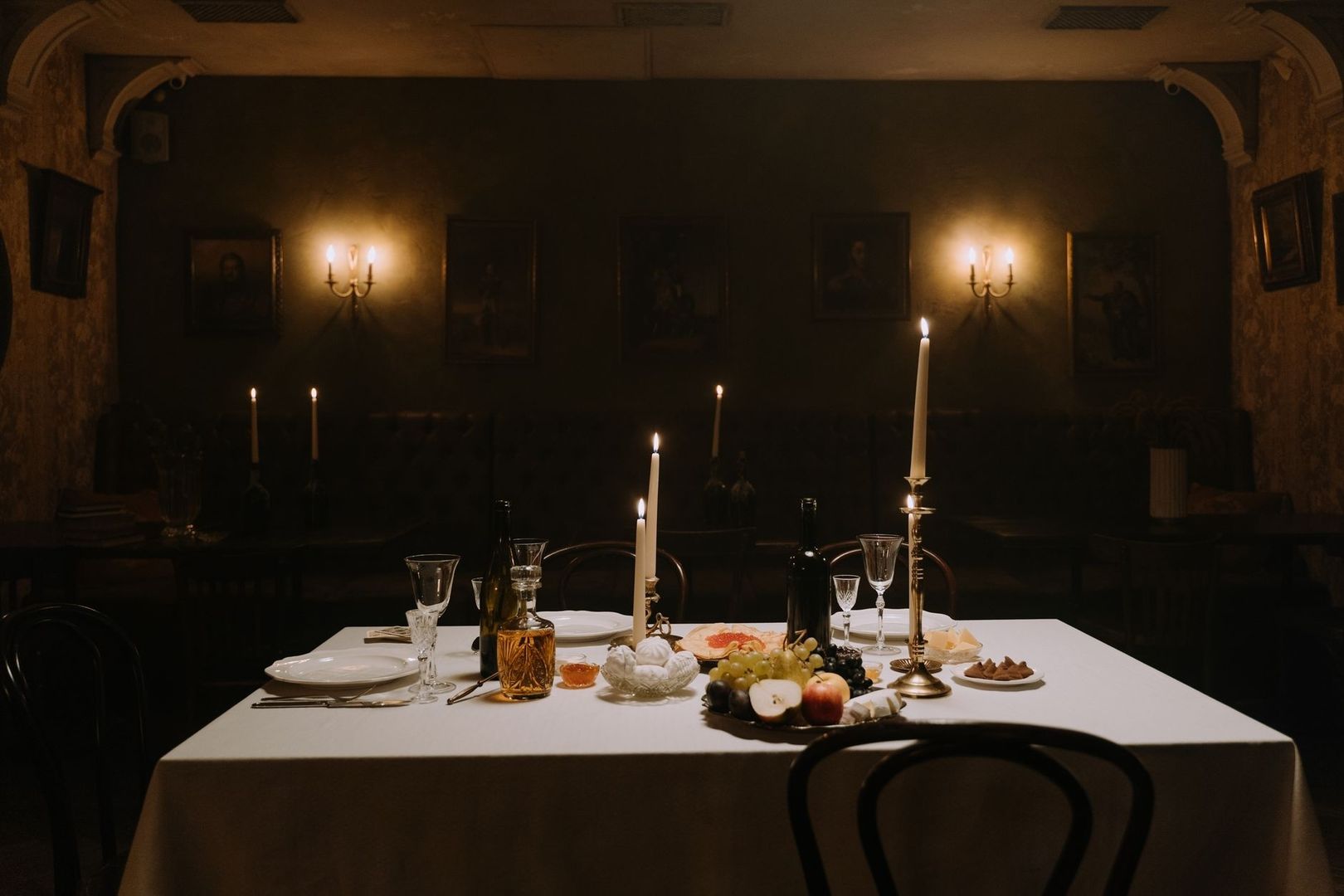
The mid-century Midwestern supper club followed an entirely different script. Guests arrived for cocktails, settled into the bar, requested a table when ready, and moved through a meal that could occupy several unhurried hours. The restaurant was not simply a place to consume dinner. It was a destination, a gathering place, and a dependable stage for conversation. In Wisconsin especially, independently owned supper clubs became architectural masterclasses in intentional hospitality, using warm lighting, horseshoe bars, modest menus, and familiar rituals to make strangers feel temporarily connected. Their enduring lesson is remarkably current: when a restaurant protects the guest”s time, dinner can become a genuine form of leisure.

The Anatomy of Unrushed Arrival at the Horseshoe Bar

The supper club experience began before anyone saw a dining table. Guests entered through a room shaped around the bar, often a polished horseshoe that made conversation feel natural whether a party arrived together or separately. Instead of standing in a narrow waiting area while checking a reservation app, diners ordered a drink, found a seat, and allowed the evening to establish its own rhythm. A table was not a destination to reach as quickly as possible. It was the next stage of a social occasion.

Wisconsin”s signature brandy Old Fashioned set the tone. Built with sugar, bitters, fruit, brandy, and soda, it was softer and more generous than the whiskey-forward versions familiar elsewhere. Korbel brandy became especially associated with the regional style, whose roots reach back to Prohibition-era drinking culture. A grasshopper, meanwhile, offered a vivid after-work indulgence: minty, creamy, and unmistakably festive. These drinks were not designed merely to occupy a guest while the kitchen prepared food. They were part of the meal”s architecture, giving diners a reason to linger and bartenders an opportunity to welcome them by name.

That opening drink also transferred anxiety away from the diner. There was no immediate pressure to make every decision, no server waiting for a full order before the guest had settled in, and no sense that an empty table represented lost time. The bar functioned as a community room, information desk, and hospitality buffer. Its value can be translated into several practical principles:

  • Stage the welcome. A drink, small bite, or comfortable seat gives guests time to transition from the outside world.
  • Make waiting social. A well-designed bar turns unavoidable pauses into part of the experience rather than an operational problem.
  • Keep the first decision easy. A focused cocktail list and a few familiar signatures reduce menu anxiety while setting the restaurant”s point of view.
  • Let the room breathe. Guests should feel invited to continue a conversation, not reminded that another reservation is approaching.

The Quiet Genius of the Relish Tray and Communal Cracker Basket

The relish tray was one of the supper club”s most effective gestures because it arrived without ceremony or negotiation. Before the menus had been studied and long before a check appeared, the table received something to share. The tray communicated abundance in a quiet way: the restaurant had prepared for the guests, and the first pleasure of the meal did not require an additional purchase. It was a welcome rather than a sales tactic.

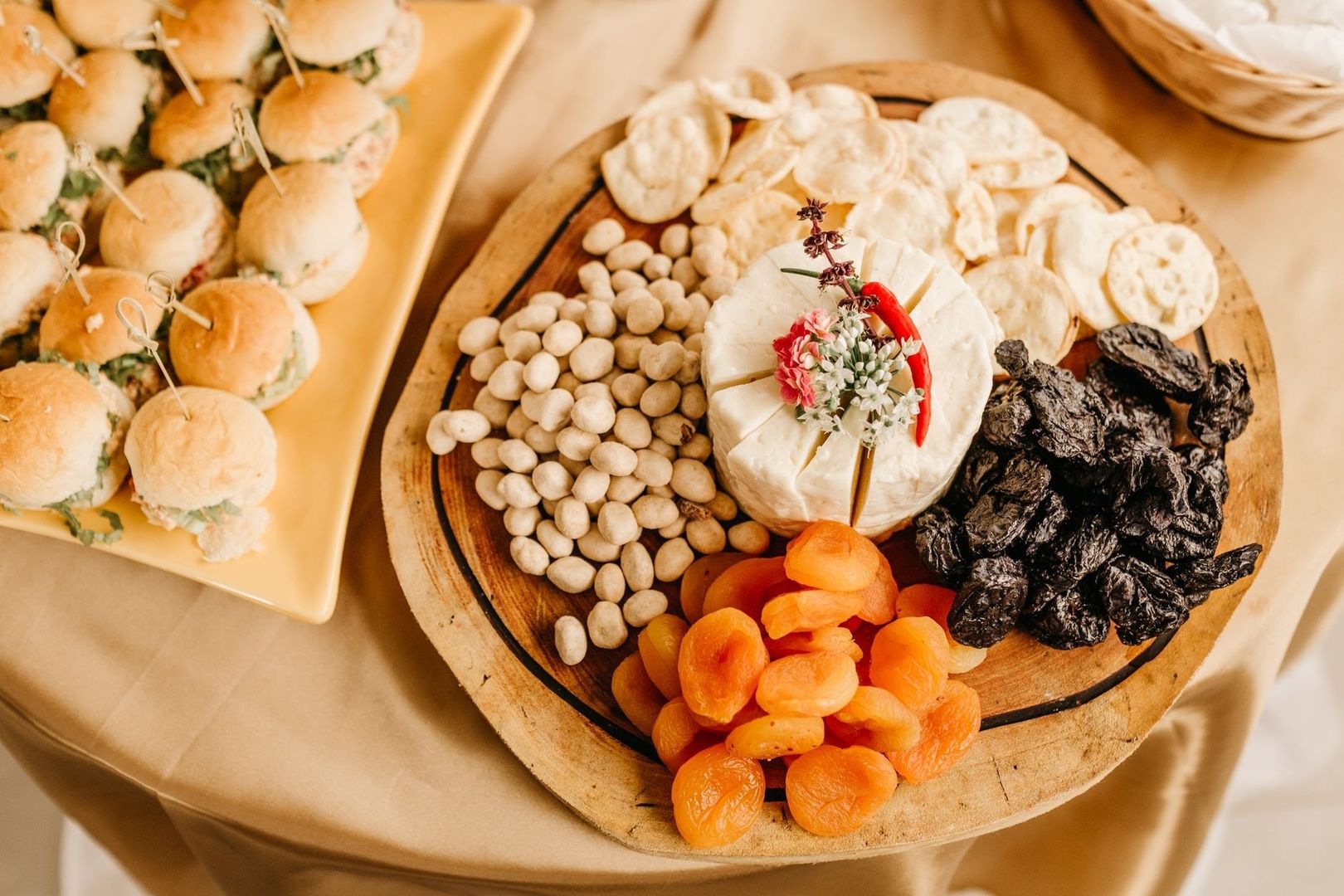
Its appeal came from contrast. Crisp celery offered cool, watery crunch; radishes brought peppery brightness; pickled peppers and gherkins supplied acidity; olives added brine; and a cheddar cheese spread provided salt, fat, and a soft, savory finish. A basket of crackers made the arrangement practical, turning separate ingredients into small, informal bites. The tray could also include seasonal vegetables, pâté, cured meats, or inherited local specialties. Contemporary guidance on assembling a relish tray emphasizes the same balance of pickled, brined, fresh, creamy, and crunchy elements found in supper-club service, with small bowls and varied heights making the spread easy to reach and visually generous.

Classic relish tray with cheese, dried fruit, nuts, and mini sandwiches
A thoughtfully composed opening course makes generosity feel immediate, turning the first minutes of dinner into part of the occasion.

Modern restaurants are returning to this logic through complimentary bread service, welcome snacks, shared boards, and small pre-meal bites. The strongest examples work because they foster warmth before the formal course sequence begins. A bowl of warm crackers or a plate of vegetables gives the table an immediate point of focus, particularly for groups with different arrival times. For home hosts, the format remains flexible and approachable:

  • Combine fresh vegetables with something pickled and something brined.
  • Add a spread or soft cheese for richness, then provide sturdy crackers for texture.
  • Use small dishes for olives and other ingredients held in liquid.
  • Distribute colors and textures across the tray so every seat has an appealing choice.
  • Include small tongs, picks, or cocktail forks to keep the experience relaxed but tidy.

Comparing Supper Club Cadence to Contemporary Restaurant Flow

The contrast between a supper club and a contemporary urban restaurant is not simply a matter of old décor versus new design. It is a difference in operational philosophy. A modern dining room may compress arrival, ordering, cooking, payment, and departure into a carefully managed sequence. The supper club separates those stages, allowing each one to carry its own pleasure. That structure can feel slower, but it also makes the guest experience feel fuller.

Experience element Transactional restaurant flow Mid-century supper club cadence
Arrival Immediate seating or brief wait Cocktail and conversation at the bar
Menu Broad choice or rapid tasting progression Short, dependable menu built around house specialties
Meal pacing Courses timed for efficient table turns Distinct stages with space between them
Hospitality Service focused on accuracy and speed Service focused on recognition and continuity
Finish Check presented soon after the final bite Dessert drinks and a return to the bar

For operators, this cadence offers a useful blueprint without requiring a literal recreation of a 1950s dining room. Staging matters: the bar can absorb early arrivals, a brief menu can reduce kitchen friction, and dessert drinks can extend the visit without demanding a new production system. Perceived value rises when guests feel they received several experiences in one evening, including arrival, dinner, dessert, and conversation. The supper club understood that hospitality is not only what reaches the table. It is the quality of the transitions between those moments.

Prime Rib and Ice Cream Cocktails as Enduring Centerpieces

Supper-club menus gained strength from consistency. Prime rib, Friday fish fries, steaks, and other surf-and-turf staples were not chasing novelty. They gave regulars a reason to return and allowed the kitchen to develop dependable technique. A slow-roasted prime rib, carved to order, carried the reassuring authority of a house specialty. Its appeal was tied to preparation as much as flavor: a deeply browned exterior, a tender rosy center, and enough rendered richness to stand up to horseradish, gravy, or au jus.

The service itself created ceremony. A server or carver presented the roast, sliced it to the guest”s preference, and finished the plate with au jus. The loaded baked potato, often crowned with butter, sour cream, chives, and bacon, made the meal feel abundant without requiring a crowded plate. Friday fish fries served a similar role, combining crisp coating, tender fish, familiar sides, and a weekly rhythm that connected the restaurant to local life. In both cases, the menu”s predictability was a virtue. Guests were not asking what had just arrived on the chef”s tasting menu. They were returning for something the restaurant understood thoroughly.

Dessert drinks completed the evening with equal confidence. Blended Brandy Alexanders and Grasshoppers were creamy, cold, and deliberately nostalgic, while Pink Squirrels added another colorful option to the supper-club repertoire. Their purpose was not only sweetness. These drinks kept guests seated after the plates had been cleared, extending conversation and giving the meal a graceful final act. The bar remained central because diners could return there after dinner, transforming the end of the meal into another social chapter rather than an abrupt departure. For a modern restaurant, the lesson is clear: a memorable finale does not need to be complicated. It needs to feel considered, distinctive, and worth staying for.

Bringing Supper Club Hospitality Back to Your Own Table

The renewed interest in supper clubs reflects a broader hunger for generous, deliberate dining. Digital reservation timers, compressed service windows, and constant phone attention have made diners more aware of how rarely a restaurant protects the evening. The appeal of the supper club is therefore not limited to nostalgia. It is a response to a contemporary need for spaces where people can settle in, share familiar food, and enjoy hospitality without being hurried toward the exit.

That spirit can be recreated at home or adapted by restaurants of any scale. The goal is not to imitate every piece of mid-century décor. It is to design a sequence that makes guests feel cared for from arrival through the final drink.

  • Welcome guests with a prepared drink or a simple relish tray before asking them to make major menu decisions.
  • Choose one dependable centerpiece, such as a roast, baked fish, or generously dressed casserole, and build the meal around it.
  • Serve food in stages so conversation has room to develop between courses.
  • Offer a dessert drink, coffee service, or small sweet that encourages guests to remain at the table.
  • Remove unnecessary pressure by preparing the room, setting out shared utensils, and making second helpings easy.

The supper club”s lasting legacy is the conviction that dinner can be a communal refuge rather than a transaction. Its best practices remain practical: welcome people before selling them anything, make food familiar without making it careless, and treat time as an ingredient in the experience. For diners planning a special night and hospitality leaders shaping a room, that is a blueprint worth preserving. The most memorable table is often the one that gives everyone permission to stay.

The Architecture of a Degustation: How Modern Tasting Menus Tell a Cohesive Story

Beyond Luxury Ingredients: The Quiet Geometry of the Modern Tasting Menu

A degustation menu is often introduced as an inventory of luxuries: caviar, truffles, aged fish, foie gras, or a cut of meat that appears only briefly each season. That framing misses the more interesting achievement. The best tasting menus are not ingredient parades. They are carefully built narratives in which each course changes the diner”s perception of the next. A chilled opening bite can sharpen attention, a warm broth can create comfort, and a restrained dessert can leave the evening feeling complete rather than heavy. For diners planning a special occasion, a tasting menu is best understood as a designed experience, much like an omakase-style journey in which the kitchen controls the sequence and responds to the room.

That sequence matters because a ten-course dinner is also a physical undertaking. Guests must remain curious through several hours of eating, drinking, conversation, and service. A menu that begins with richness and never releases the palate may be technically impressive yet exhausting. A successful one varies temperature, texture, acidity, portion size, and emotional intensity so that the diner feels carried forward instead of managed through an endurance test. Rare ingredients can provide drama, but rhythm is what sustains attention. The quiet geometry of a modern tasting menu lies in knowing when to intensify, when to pause, and when to let simplicity speak.

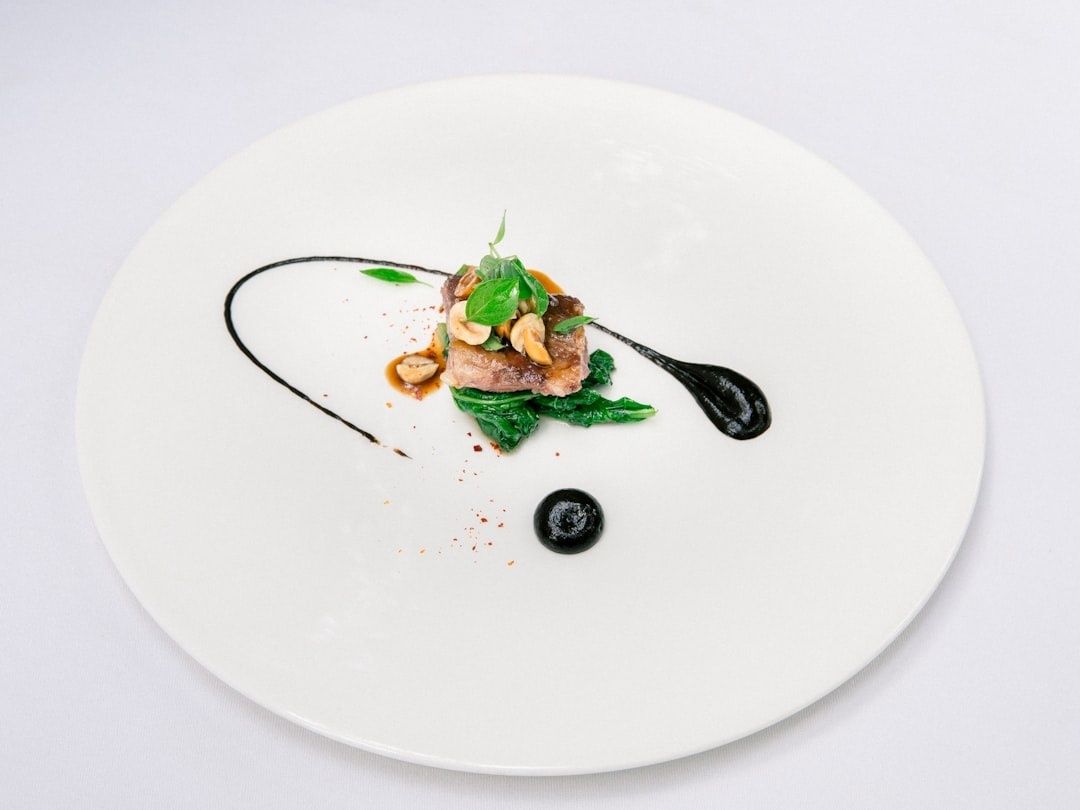
Fine-dining dish arranged with greens, meat, nuts, and black sauce
A thoughtful tasting menu builds momentum through contrast, allowing each course to sharpen the next.

The Science of Palate Fatigue and Sensory Calibration

Palate fatigue is not simply a matter of getting bored with a flavor. Sensory systems adapt when exposed to repeated or intense stimuli. The brain begins filtering information that remains constant, and taste and aroma can become less vivid as the meal continues. A succession of similarly rich sauces, sugary components, or dense textures therefore reduces the diner”s ability to distinguish subtle differences. The first bite of a buttery emulsion may feel luxurious; the fourth course built around the same sensation can register as weight, even if its ingredients and technique are excellent.

This is why chefs think in terms of recovery as well as impact. Acidity can clear the impression of fat, bitterness can interrupt sweetness, and a change from soft to crisp texture can restore attention. Temperature has a similar effect. A cold, saline course may make a subsequent warm preparation feel more aromatic and generous, while a small portion of broth can provide relief after a concentrated protein. Research and sensory-analysis guidance commonly emphasize breaks, neutral palate cleansers, and changes in stimulus when repeated tasting begins to dull perception. The practical principles are straightforward:

  • Vary intensity. Alternate concentrated flavors with delicate preparations so the strongest notes retain their force.
  • Use acidity strategically. Citrus, vinegar, cultured ingredients, and fermented vegetables can refresh the mouth without making every course taste sharp.
  • Change texture and temperature. Crisp, chilled, aerated, brothy, grilled, and creamy elements each create a different sensory reset.
  • Keep portions purposeful. A tasting-menu portion should provide a complete impression without demanding sustained consumption of one idea.

The phenomenon is familiar outside restaurants. Endurance athletes, for example, can develop aversion to repeated sweet gels during long events and often introduce savory foods or broth to restore appetite. The same logic applies at the dining table, although the goal is pleasure rather than performance. A well-calibrated kitchen anticipates the point at which repetition will become tiring and places a palate rest before the diner notices the problem. That decision is a mark of hospitality as much as culinary technique.

The Narrative Arc: How Chefs Sequence Temperature, Acid, and Fat

Course order creates expectation. Early dishes generally set the tone with brightness, salinity, freshness, and precision. A raw seafood preparation with citrus, a chilled vegetable composition, or a small tart bite can awaken the palate without filling it. These opening courses often have a narrow sensory footprint, allowing the diner to notice detail. Later, the menu can move toward grilled fish, poultry, meat, or a sauce with greater depth because the guest has been prepared for intensity rather than dropped into it.

Temperature provides one of the most reliable ways to maintain alertness. Chilled preparations feel clean and immediate; warm dishes release aroma and suggest comfort; hot broths create a short, vivid burst of sensory attention. The alternation need not be rigid, but it should feel intentional. Kaiseki and contemporary omakase traditions demonstrate how seasonal ingredients, chef-selected courses, and responsive sequencing can create a sense of progression without relying on a Western starter-main-dessert structure. Modern tasting menus often borrow this flexibility while adding their own vocabulary of fermentation, smoke, botanical infusions, and refined sauces.

Stage of the meal Typical sensory role Useful culinary movement
Opening Awaken appetite and establish identity Chilled temperatures, salinity, herbs, delicate acidity
Early middle Build complexity without fatigue Raw or lightly cooked seafood, cultured notes, crisp textures
Central courses Deliver depth and satisfaction Grilling, roasting, richer sauces, measured fat
Transition Clear and refocus the palate Broth, sorbet, bitter greens, tea, or bright fruit
Final savory course Provide a sense of arrival Layered umami, grain, pasta, meat, or a composed vegetarian centerpiece
Dessert Resolve the story without excess Fruit, acidity, restrained sweetness, aromatic warmth

The central course should not automatically be the most expensive ingredient. A modest mushroom broth, a perfectly cooked grain, or a seasonal vegetable can carry more emotional weight than a luxury protein if the menu has earned that moment. The important question is whether the dish provides arrival, not whether it announces status. A memorable menu may build toward a grilled fish with a clear, intensely reduced sauce, then deliberately retreat into a simple rice course before dessert. That retreat gives the preceding dish room to remain vivid.

Liquid Cadence: Beverage Pairings as Narrative Pacing Tools

A beverage pairing works best when it manages sensation rather than merely repeating flavor. A wine with high acidity can slice through cream, butter, or fatty fish. A lightly oxidative sake may cushion the intensity of fermented ingredients, while a cider can bring fruit, tannin, and effervescence to a dish that would make a still wine feel heavy. Botanical tea extractions can offer aromatic lift without adding alcohol, making them especially useful between savory and sweet courses. The pairing should answer a physical need at the table: refresh, soften, amplify, warm, or slow the diner down.

Alcohol progression also deserves attention across a long sequence. Beginning with a strong, high-alcohol wine can dull perception and accelerate fatigue, particularly when the first courses are delicate. Thoughtful programs may start with sparkling wine, a low-alcohol white, sake, or a bright cider, then move toward fuller wines only when the food becomes more substantial. A nonalcoholic pairing can provide the same structural intelligence through tea, verjus, shrubs, clarified juices, and fermented drinks. When speaking with a sommelier, explain not only favorite grapes but also tolerance, preferred pace, and whether the goal is exploration or restraint. A useful pairing may include:

  • Effervescent drinks for opening bites and fried textures
  • Mineral, high-acid wines for seafood and creamy preparations
  • Lightly tannic or savory beverages for roasted vegetables and mushrooms
  • Fuller wines for concentrated sauces and grilled proteins
  • Tea, cider, or low-proof options for palate recovery and dessert transitions

It is also wise to remember that tasting is affected by context. Room temperature, fatigue, food intake, travel, and the order of wines can alter perception. A pairing that seems austere at the beginning of service may feel beautifully precise beside a rich course, while an aromatic wine can overwhelm a subtle dish if poured too generously. The strongest beverage programs leave space for adjustment. They do not treat the printed pairing as a fixed performance that must continue unchanged regardless of how the meal is unfolding.

Hospitality Choreography: Pacing, Room Energy, and Emotional Flow

Fine dining pacing is a silent conversation between the dining room and the kitchen. Servers watch the speed of eating, the level of conversation, the number of unfinished bites, and the guests” response to each course. The kitchen listens through timing, plate returns, and the front-of-house team”s updates. When that dialogue works, courses arrive with enough space for discussion but not so much that the evening loses momentum. The goal is not to rush through ten plates. It is to make the passage of time feel natural.

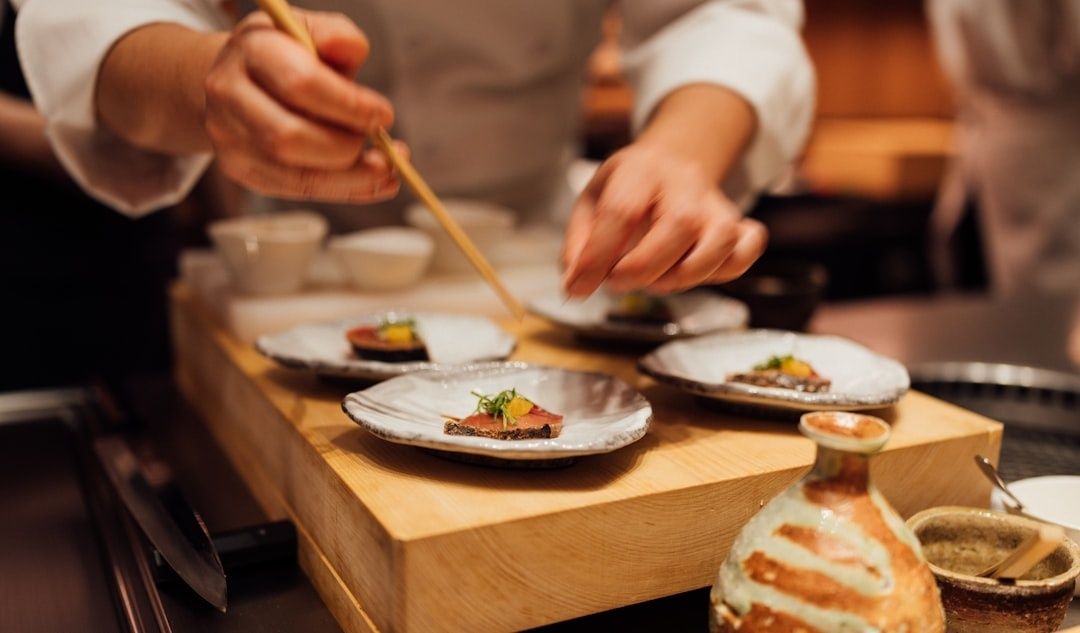
Counter dining makes this choreography visible. Guests may watch a chef slice fish, grill an ingredient, finish a sauce, or adjust a plate in response to the room. Direct interaction can make the menu”s narrative clearer, but explanation should support the food rather than compete with it. Experience design research similarly suggests that memorable hospitality emerges from the combination of sensory stimulation, social exchange, environment, and emotional meaning. Diners can look for these practical markers of structural care:

  1. A clear opening. The first courses establish the restaurant”s point of view without exhausting the palate.
  2. Meaningful transitions. Changes in temperature, texture, acidity, and portion size feel deliberate rather than random.
  3. Responsive service. The team notices dietary needs, eating pace, and beverage preferences without making the guest repeatedly ask.
  4. A genuine midpoint reset. Broth, vegetables, tea, fruit, or another lighter course restores appetite before the menu becomes too dense.
  5. A convincing finish. The savory arc reaches a satisfying destination, and dessert resolves the meal instead of simply adding sugar.

Choice can also be part of hospitality. Some modern restaurants offer four, six, or twelve courses, allowing guests to choose an experience suited to their appetite and occasion. That flexibility counters the old perception of tasting menus as fixed endurance tests. Reservation-based formats can also improve purchasing and reduce waste because the kitchen knows how many diners to expect. For a celebratory dinner, a longer menu may be worth the time; for a business meal or a first visit, a shorter format can provide a more approachable introduction.

How to Approach Your Next Tasting Menu with a Refined Eye

On the next visit, look beyond the ingredient list. Notice how a dish changes the sensation left by the previous one. Does a sharp seafood course make a creamy preparation feel more generous? Does a warm, aromatic plate arrive after enough coolness to make it feel especially inviting? Is there a moment when the menu gives the palate permission to rest? These transitions reveal more about the chef”s craft than the number of rare ingredients named on the menu.

Planning improves the experience. Ask whether the restaurant offers a shorter tasting option, how long the full menu typically lasts, and whether the pairing can be adjusted toward low alcohol or no alcohol. Tell the sommelier about preferences before service begins, including sensitivity to sweetness, tannin, or alcohol. If dietary restrictions are involved, communicate them at booking rather than at the table. A well-designed degustation is a coherent narrative performance, but it remains hospitality first. When restraint, rhythm, temperature, and liquid cadence work together, the dinner becomes more than a sequence of plates. It becomes a generous invitation to pay attention.

Dinner Essentials – What to Take to a Restaurant as a Woman

When attending a restaurant, you”re typically going for more than just a meal. A restaurant dining experience is more often than not an entire social event. Whether you”re going with friends, family or on a romantic date: here are some essentials you should never forget to take with you to a restaurant as a woman.

Makeup Essentials

Restaurants can often be hot places and it”s typical to spend plenty of time there over the course of the evening, so being prepared with makeup essentials is a must. In between courses it”s worth checking if your makeup needs any touching up and rectifying any signs of wear in the bathroom. Your essentials kit should contain basic touch-up items such as powder, a spray to reset your look and lipstick.

Nicotine Pouches

If you”re someone who smokes or vapes, it could be worth taking nicotine pouches from https://gotpouches.com/ to the restaurant. This is because many can find it rude if someone is regularly having to leave the table to go and cater to a nicotine habit outside. Nicotine pouches that are purchased from https://gotpouches.com/ are a high quality and discreet way of satisfying any cravings whilst tasting great at the same time. They allow you to enjoy the restaurant experience with minimal interruption to the meal and nobody else needs to know you”re using them.

Handbag

A nice handbag that matches the outfit is a must for any woman heading out to a restaurant. Handbags can compliment the outfit and tie it all together, whilst also providing convenience. Any other items you”ve brought with you such as your makeup essentials, nicotine pouches, phone and keys can all be safely placed inside for storage whilst you focus on enjoying the socializing and food at the restaurant.

Overall, going to a restaurant should be a fun experience with great tasting food. To keep the night the best it can be, women shouldn”t forget to take the above essential items.

From the Gym to the Restaurant: Smooth the Experience with Aim’n Tights

Often, you will find your dining plans clashing with your gym schedule. Although they don’t fall within the same hours (dinner usually comes after gym), the difference in dress code makes for great inconvenience. Either you have to go home or change or drag your gym bag into the restaurant.

You can, however, bypass that unattractive hurdle by getting stylish tights that you can wear to the gym and to the restaurant. The sports leggings that Aim’n produces are created specifically for such scenarios. They are designed to be comfortable enough in the gym and decent enough in the restaurant. The research that goes into their design also ensures that you do not show up sweaty for your evening meal. Any restaurant will accommodate you in Aim’n leggings. Your company will not feel ill at ease either.

Busy restaurants also need to consider these tights as part of their staff uniform. The same features – comfort and decency- that make them suitable for gym goers would be perfect for their waiting staff who are always on the move.

These tights are available in a wide range of designs and colours on the Aim’n online shop. Restaurant owners can also enquire about custom designs. The site is very fairly priced and has been hailed for its timely shipping practices. The company’s absolute focus on women’s sportswear means it has managed to exploit areas that general apparel makers may have overlooked or not discovered.

What to Wear for Dinner – Any Woman’s Guide

Dinning and fashion have always had a special relationship. While it’s common to have people scratch their heads when figuring out what to wear on a typical day, it’s equally tough for many women to decipher what to wear for dinner. Going by the current fashion trends, dinner outfits have to be semiformal, albeit with some touch of sexiness. That said, here are some inspirational ideas borrowed from modern-day fashion trends.

Floor-Length Ball Gown

A floor-length ball gown, also known as an evening gown, is undoubtedly a perfect option if you like something a bit formal. These outfits add some rare features that let you stand out. Long or short sleeves? You only need to pay attention to the seasons.

Black Tights

Are tights and leggings appropriate to wear for dinner? Of course, yes! Black tights are a hot fashion trend. The beauty of wearing elegant black tights is that they can go alone. Better yet, tights can also be worn together with other outfits such as dresses, skirts, shorts, or calf-length pants.

Black Dress

A little black dress is perfect for any dinner party – formal, casual, or anything in between. A little black dress that is at least knee-length can be an ideal pick for dinner, especially while complement by some fancy black tights. Also, adding an elegant top, tight, and some pretty jewellery can go a long way in elevating a simple dress.

When going for dinner, especially in the company of an esteemed friend, you have to be at your best. Being at your best will undoubtedly make you confident and amazing. And the more confident you look, the better the dining experience.

Enhance Your Restaurant’s Ambience With Quality Sofa Covers

Besides quality food and exceptional standards, choice and customer expectations are abundant in the hospitality industry. And with sofas at the centre stage in any dining experience, the quality of fabrics on your sofa is critical in enhancing the eatery”s aesthetics.

There is a vast selection of sofa covers. These fabrics allow restaurant owners to revamp an existing sofa or inject some breath of fresh air into their spaces. However, Bemz sofa covers come in diverse fashions that any restaurateur will adorn.

Besides going for quality fabrics, you must match the sofa to its purpose. This is critical in ensuring you meet your restaurant”s interior design goals. With Bemz collections, you can be sure that the diners will enjoy the environment and dining experience.

To make sure that the sofa cover sofa covers serve its purpose, make sure you:

  • Have a clear purpose beforehand
  • Pick a cover that fits the couch
  • Make an effort to have it well-maintained

Doing this will not only enhance the restaurant”s appearance, but it will also add some years to your sofas.

Restaurant Trends

Trends that will Shape the Restaurant Industry in 2021

The hotel industry is poised to change, especially after 2020, which posed a challenge for many restaurant operators and customers. Experts expect that digital technology will play a critical role in creating value addition, and restaurateurs should embrace innovations to accelerate sales and increase customer satisfaction, especially with the dining room restrictions imposed after the outbreak of the coronavirus pandemic. For restaurants without drive-thrus, curbsides have become a powerful digital tool, especially for small eateries, and many restaurants are expected to embrace this trend in 2021.

According to data from the National Restaurant Association, more than 80% of adults now prefer dining outside the restaurant’s premises, up from 45% before the pandemic. Restaurateurs have now opted to relocate to remote locations, work with third-party aggregators, and operate ghost kitchens to cut labor costs and meet off-premise demand to retain customers.

Read more on the trends that are predicted to shape the restaurant industry in 2021.

Contactless Ordering and Delivery

Safety is critical in the restaurant industry. With the pandemic, restaurants need to invest in contactless technology to adhere to the changing safety regulations and enhance customer experience. This technology includes contactless payments and ordering, such as QR code menus and touchless payments. It’s estimated that by the end of 2021, three-quarters of restaurants in the United States and other parts of the world will be using this technology in their day-to-day operations.

A Shift of Focus from Urban to Suburbs

With many restaurants closed, restaurateurs are now shifting from urban areas to the suburbs, where the cost of operation, such as rent and labor, is lower. Many chain stores are also closing underperforming outlets. Chain restaurants including Burger King, Del Taco, McDonald’s, and Taco Bell have said that they are looking for restaurants with large drive-thrus and smaller dining areas.

Kitchen Automation

With restaurants experimenting with new menus, channels, and offers, it’s essential for restaurants to streamline the kitchen to consistently deliver and improve on customer experience. Many restaurants are planning or have already invested in kitchen automation technology, which has helped streamline the kitchen, meaning that restaurant owners can now test new concepts with freedom and confidence. Equipped and streamlined kitchens have allowed restaurateurs to try several restaurant concepts simultaneously and choose one that works best for their restaurant with ease.

More Direct Deliveries

In 2021, we will see more restaurants taking charge of online orders and deliveries instead of relying on third parties, which will help them enhance customer experience. Most customers now prefer ordering directly from the restaurant’s app or website, eliminating third parties. This means that restaurants will invest more in their own couriers, resulting in more control over how they engage with their customers.

Ways to Prepare Your Restaurant for Reopening After the Covid-19 Pandemic

Restaurants in the country and many parts of the world have largely remained closed to combat the spread of the coronavirus. Though some have reopened offering takeaways and deliveries, dining spaces remain empty as hotel owners eagerly wait for the lifting of these restrictions so that they can resume full-service operations.

Some states in the United States are slowly lifting these restrictions, with some restaurants being allowed to open their doors again under strict conditions. However, this does not mean that everything will be immediately back to normal. Reopening your restaurant will require proper planning. This article will guide you through the steps to follow to ensure that the restaurant is up and running within the shortest time possible.

Understand the Restrictions in Your State

Before thinking or planning for reopening, you must first understand the restrictions of your locality. The federal government has issued guidelines on reopening restaurants; individual counties and states have been mandated to come up with their regulation, especially when it comes to dining. Most of these restrictions and conditions revolve around keeping physical distance and capacity. In most states, restaurants are allowed to have a maximum capacity of between 25%-50%, which may be a challenge for small restaurants. Establishments with a larger sitting capacity need to consider if the limited capacity will generate more revenue than deliveries and take-aways.

Staffing Adjustment

Reopening restaurants allows those employees who had been laid off or granted leave to come back to work; which may require staff adjustments. For example, some employees may not be willing or able to return to work immediately, while others may have found new jobs. Before reopening, spare some time to contact past employees and find out if they are ready to come back to work and, if necessary, be prepared to hire new staff members.

Communicate with Vendors

Since restaurants have been closed for some time during the pandemic, it’s evident that the fridges are empty. As many restaurants will also be reopening, you must start communicating with vendors in advance to avoid last-minute disappointments. The restaurant will not be fully functional immediately; hence you should consider adjusting and re-evaluating the contract with your suppliers if necessary.

Restaurant Takeout and Delivery Tips

The Covid-19 pandemic has inspired restaurants to be more innovative to help increase their chances of remaining afloat. Some restaurants have been inspired to launch take-out and delivery services, while those that already had these options needed to be accessible to customers through other digital channels. With restaurants investing and putting more effort into delivery and takeaway options, here are tips on how restaurants can optimize take-outs and delivery services.

Set Up an Outdoor Waiting Area

If operating in an urban area where customers will not drive through the restaurant, ensure you set up an outdoor waiting area where people can sit as they wait for their order. The chairs should be sanitized regularly and placed about six meters apart to ensure that social distance is maintained.

Limit Contact

To prevent the spread of germs, restaurateurs should try and ensure that customers do not touch items, such as menus or sauce bottles, when at the restaurant. Digital menus or chalkboards can be used to enable customers to check out the available options. The doors should be left open during hours of operation to ensure customers do not touch them when walking in and out.

Provide Drivers with the Right Equipment

Delivery drivers should be provided with the right equipment, such as gloves and hand sanitizers, when making deliveries to ensure that the food is safe. To facilitate contactless deliveries, customers should be encouraged to leave special instructions on where the food should be left when delivered.

Encourage Contactless Payments

Customers should be encouraged to make online payments through third-party apps or on the website so that you don’t have to handle cash. On-site payments can be made through Apple Pay or credit card.

Why Food Images are Important for a Restaurant’s Menu

Adding beautiful images can make a difference to diners, as the menu connects customers to a restaurant. With the food business and restaurants facing a complete shutdown due to the effects of the Covid pandemic, many players in the industry are now banking on technology to secure more orders and maintain their customer base. Here are some ways of how food images are helping restaurants increase sales.

Beat Competitors Text-Based Menus

According to a research report released by Iowa State University, around 70% of people ordering food from restaurants respond to the food images as if the food is in front of them. This means that if you sell the same food as your competitors, most customers will likely order from your restaurant if they see pictures of your food items.

Help Customers Make Informed Choices

Having images of the food you serve on your digital menu is essential as it helps customers make a well-informed and quick purchase. If you have not budgeted for professional shots, you can use your smartphone to take the pictures.

When purchasing an online ordering system, choose one that supports menu pictures and allows multiple image uploading without slowing down the website.