
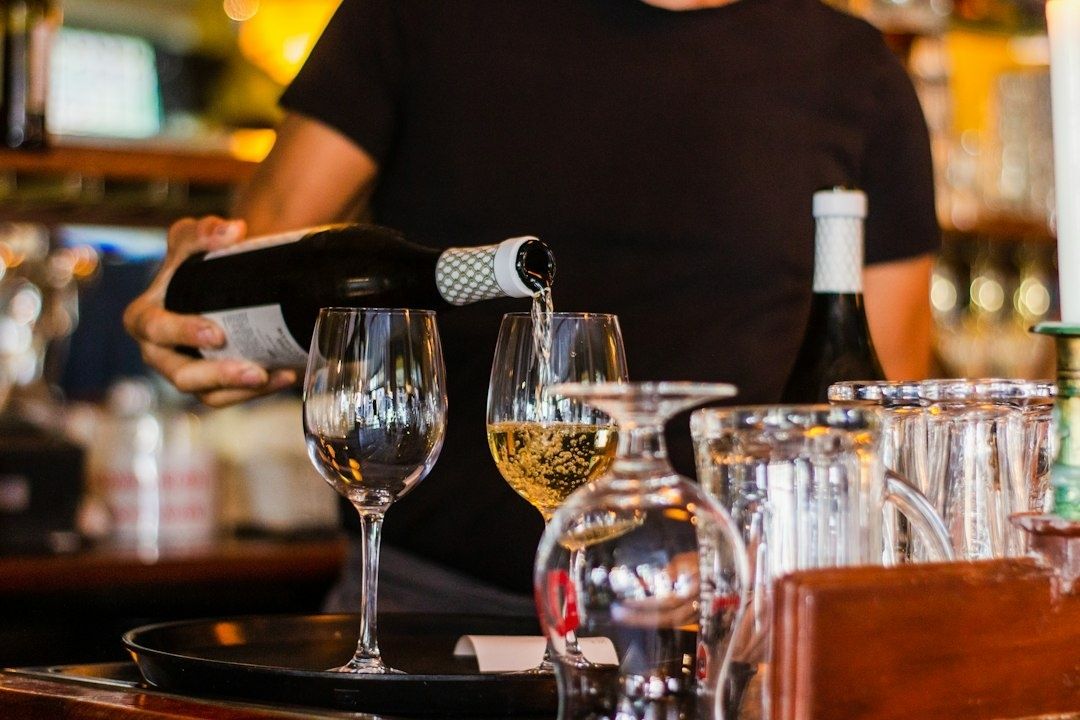
The Art of the Pause: How Pacing and Front-of-House Timing Define an Unforgettable Meal
The Invisible Rhythm That Shapes a Memorable Dinner
A memorable dinner is not simply a procession of dishes. It is an emotional cadence, moving from anticipation to welcome, from first sip to first bite, and from lively conversation to the quiet attention that a beautifully composed course can command. The room, the service, and the kitchen must agree on that rhythm. A dining experience built around thoughtful restaurant hospitality understands that timing is part of the menu, even when it is never printed beside the ingredients.
The central challenge is balance. A table that is hurried never settles into pleasure, while a table left without acknowledgment begins to wonder whether it has been forgotten. The strongest front-of-house teams read the interval between those two failures. They notice the angle of a guest”s shoulders, the pace of conversation, the position of a fork, and the changing level of wine in a glass. These signals form an unwritten language, allowing servers, captains, and expeditors to adjust the evening without interrupting its flow.
The Psychology Behind the Unoccupied Dining Interval
Waiting feels different depending on what occupies the mind. A guest absorbed in conversation, studying a menu, or tasting a welcome pour experiences time differently from a guest staring at an empty place setting. David H. Maister”s influential analysis of service queues describes this distinction clearly: occupied time feels shorter than unoccupied time, while uncertainty and anxiety make a delay feel even longer. His discussion of perceived waiting can be read in the Columbia service psychology paper.
That principle is especially important in restaurants because not every pause is a problem. A few minutes between a crudo course and a warm entrée may give a guest time to notice the wine”s changing texture, finish a story, or reset the palate. The same interval becomes uncomfortable when no one has acknowledged it and no sensory detail suggests that the meal is progressing. Intentional breathing room has a shape. Accidental backlog feels shapeless.
Music and sound can give an interval that shape. Hospitality audio research commonly links slower-tempo music with longer visits, while faster music can encourage a quicker turnover. One industry analysis reports comparisons in which slow music was associated with dining visits 16 percent longer than a restaurant”s normal playlist, while diners exposed to standard playlist pacing lingered 20.8 percent longer than those seated during fast-tempo music-reflecting an approximate 17.2 percent reduction in dining duration under rapid tracks. Those figures should not be treated as a universal formula, but they illustrate how the room can influence behavior before a server says a word.
- Acknowledgment tells guests that service has begun.
- Useful menu guidance gives an interval purpose.
- A measured music tempo helps the table settle.
- Visible progress, such as a cleared course or refreshed glass, reduces uncertainty.
The most accomplished dining rooms therefore distinguish between delay and pause. A delay is unmanaged time. A pause is time given direction. A brief explanation that the next course is being finished to order, a quiet refill of water, or a well-timed wine presentation can turn waiting into part of the experience rather than an interruption to it.
Silent Signals Between the Dining Room and the Expeditor Pass
The pass is where the kitchen”s precision meets the dining room”s intuition. In a composed service, the conversation there is often nearly silent. An expeditor watches the readiness of plates while the captain watches the readiness of the table. The two perspectives must meet before a course leaves the pass. A dish can be technically perfect and still arrive too early if guests are deep in conversation, or too late if the table has already cleared its previous course and is ready for the next movement.
Captains evaluate a collection of small details. Silverware placed at an angle may indicate that a guest is still eating; aligned utensils may signal completion. A wine glass nearing empty can suggest that a pairing should be poured before the next course lands. A guest leaning toward the center of the table may be engaged, while a guest scanning the room may be seeking assistance. None of these cues is absolute, which is why experienced staff combine observation with discreet questions rather than relying on a rigid script.

When the system works, several checkpoints synchronize the meal. When it fails, the consequences are immediately felt in the guest”s body and conversation.
| Synchronized service checkpoint | Uncoordinated dining pitfall |
|---|---|
| The captain confirms that the table has finished before calling the next course. | New plates arrive while guests are still eating, forcing a hurried finish. |
| Wine is introduced with enough time for the table to taste it alongside the dish. | The pairing arrives after the course, turning a planned contrast into an afterthought. |
| The kitchen receives one clear table status. | Conflicting calls create staggered plates or unnecessary holding time. |
| The server reads the occasion and adjusts the pace. | A birthday, date, or business meal is treated like a standard turn. |
This choreography depends on respect between departments. The dining room cannot treat the kitchen as a vending machine, and the kitchen cannot treat the table as a fixed timer. The expeditor protects temperature, texture, and visual integrity; the captain protects the guest”s sense of ease. Their shared goal is not maximum speed. It is coherence.
How Environmental Atmosphere Governs Guest Cadence
Acoustics are among the most powerful and least noticed forces in a dining room. When background sound rises too high, guests compensate by speaking louder, repeating themselves, or abandoning conversation altogether. A restaurant audio analysis places average restaurant sound near 77 dBA and describes levels around 70 dBA or below as more comfortable for conversation, with conditions above 75 dBA increasingly difficult. The figures are not a substitute for on-site judgment, but they explain why a room can feel energetic at one table and exhausting at another.
Tempo matters alongside volume. A quick playlist can sharpen the sense of turnover, while slower selections tend to support lingering, fuller conversation, and a more relaxed progression between courses. Speaker placement also matters. Balanced coverage prevents one section from becoming dramatically louder than another, allowing a dining room to maintain a consistent identity from the bar to a corner table. For readers interested in the relationship between sensory design and wellbeing, hospitality atmospherics research offers a useful reminder that stress responses are shaped by multiple surroundings, not by a single stimulus in isolation.
Lighting performs a similar timing function. Brighter illumination can support arrival, menu reading, and the social energy of cocktails. As the meal develops, warmer and more focused light directs attention toward plates and faces, creating intimacy without requiring a formal announcement. A softer setting during dessert or after-dinner drinks gives the evening permission to lengthen. These changes are subtle, but diners register them as signals about what kind of attention the room expects.
- Arrival: Clear sound and welcoming light help guests orient themselves and understand the room.
- First courses: Moderate energy supports menu discovery, shared plates, and the opening conversation.
- Main courses: Stable acoustics and focused lighting encourage guests to slow down and notice texture, temperature, and pairing.
- Digestive pause: A calmer soundscape and softer light create space for coffee, dessert, or a final glass.
These environmental choices can influence physiological relaxation, but they should be approached with restraint. A dining room should not feel like a theatrical set forcing guests through predetermined emotions. The best atmosphere is adjustable, consistent, and attentive to the occasion. A lively group dinner may benefit from more pulse, while a quiet tasting menu requires acoustic clarity and longer, more protected intervals.
Cultivating the Intuitive Eye in Modern Hospitality Teams
The strongest dining room captains develop situational awareness through repeated floor immersion. Scripts are useful for consistency, but they cannot anticipate every table. A celebration may welcome a little ceremony; a romantic dinner may require fewer interruptions; a business meal may depend on discreet, predictable service. The captain”s role is to recognize those differences early and communicate them to the team without making the guests feel observed.
Operational management protects that intuition by managing the room”s real estate. Seating plans, reservation pacing, station assignments, and table turns all affect whether staff can remain composed. When a manager spaces arrivals intelligently, keeps pathways clear, and prevents a single server from carrying too much pressure, guests experience the benefit as calmness. Effective leaders also give staff authority to slow a course, hold a plate briefly, or adjust a sequence when the table”s needs change.
- Read the table before approaching it.
- Match the level of explanation to the guest”s interest.
- Protect conversation during important moments.
- Coordinate wine, clearing, and course calls as one sequence.
- Escalate operational problems before they become visible frustration.
This is why hospitality management is far more than scheduling and checklist control. It combines psychology, logistics, coaching, crisis response, and aesthetic judgment. Under pressure, the manager”s composure becomes part of the room”s atmosphere. A steady team can absorb a delayed table, a difficult dietary request, or a sudden rush without transmitting panic to guests.
Savoring the Space Between Every Course
The pause between courses is where a meal often becomes memorable. It lets a wine pairing open, allows the last impression of charred allium or citrus to fade, and gives conversation room to develop beyond the food itself. When the interval is designed well, guests do not count the minutes. They feel that the evening has enough time for them.
On the next dinner out, notice the evidence of this choreography. Does someone acknowledge the table before a wait becomes uncertain? Do courses arrive after the previous one has genuinely finished? Is the room quiet enough for conversation, and does the lighting evolve as the evening moves forward? The answers reveal more than speed ever could. True hospitality is an ephemeral performance, executed table by table, in which timing turns service into narrative and empty space into luxury.
By Magnus
- 3, Oct, 2026
- 0 Comments