
Beyond Salt: How Chefs Use Koji and Lacto-Fermentation to Build Natural Umami
The Quiet Revolution Transforming Modern Restaurant Menus
A dish can arrive at the table with the visual restraint of a still life, then unfold in layers: roasted mushroom, toasted grain, a trace of fruit, and a savory finish that lingers without coating the tongue in salt. The effect feels both familiar and newly precise. Instead of depending on a heavily reduced stock or an aggressively seasoned sauce, the kitchen has built flavor inside the ingredients themselves.
This is the quiet revolution behind many contemporary tasting menus. Chefs are treating fermentation as a form of culinary architecture, using microscopic organisms and their enzymes to shape texture, acidity, sweetness, and depth. Koji, a culture associated with Aspergillus oryzae, and lacto-fermentation, in which bacteria convert sugars into lactic acid, have become foundational tools. Together, they allow modern dining to become lighter without becoming less intense, bolder without becoming blunt, and more biochemically nuanced with every course.
Redefining Savoriness Beyond the Shaker
For decades, restaurant richness was often shorthand for salt, butter, concentrated stock, cured ingredients, or packaged bases. Those tools remain valuable, particularly when used with restraint, but they can flatten a dish when applied as the primary source of impact. A sauce that begins and ends with sodium may announce itself immediately, yet leave little room for the quieter notes of toasted grain, green herbs, roasted allium, or naturally sweet vegetables.
Diners are increasingly sensitive to that fatigue. Excessively salty food can overwhelm the palate, increase thirst, and make an otherwise thoughtful menu feel one-dimensional. The health case also matters. The FDA guidance on sodium notes that adults should generally stay below 2,300 milligrams per day, while much dietary sodium comes from prepared and packaged foods rather than the salt added at the table. For progressive kitchens, that reality creates a compelling design challenge: how can a dish taste complete while using salt as a structural ingredient rather than a blunt instrument?
The answer often begins with free amino acids, especially glutamate, which register as umami. Unlike pure salinity, amino acids can create a rounder sensation of savoriness, with impressions of broth, roasted meat, aged cheese, seaweed, or mushrooms. A chef might combine a modestly seasoned vegetable stock with a koji-based paste, a charred onion garum, or a fermented bean reduction. The result can be deeply savory while preserving the ingredient”s identity and leaving enough space for acidity and aroma.
The Magic of Aspergillus Oryzae and Enzymatic Mastery
Koji is often misunderstood as a garnish or a specialty mold, but its culinary importance lies in the enzymes it produces. Traditionally cultivated on rice, barley, soybeans, and other grains, Aspergillus oryzae transforms a relatively quiet substrate into a powerful source of flavor-building activity. The culture itself is not meant to dominate the plate. Its role is to unlock compounds that are already present but trapped inside starches and proteins.
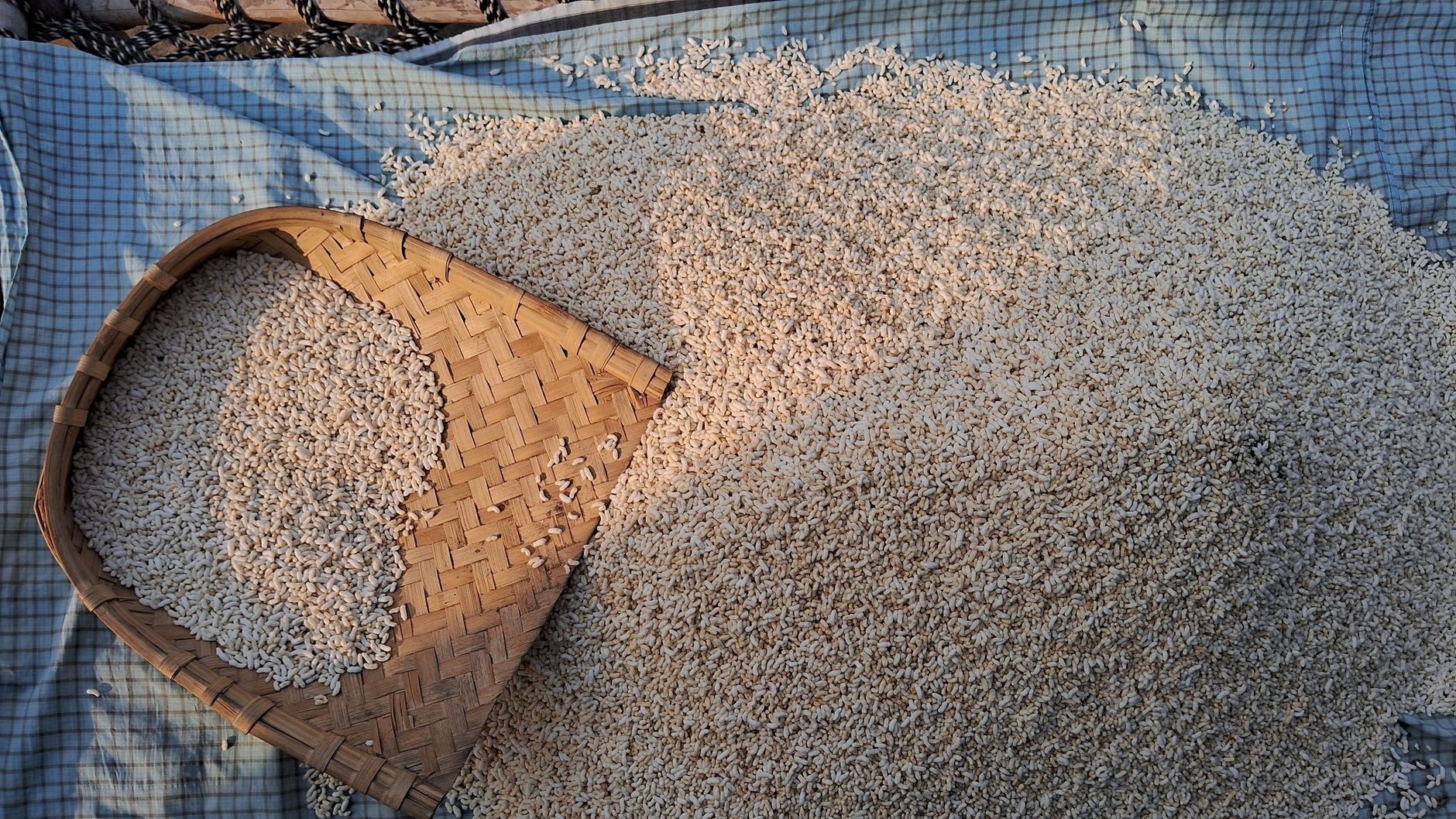
Amylase enzymes break complex starches into smaller sugars, including glucose, maltose, and dextrins. Proteases break proteins into peptides and amino acids, including glutamic acid. These reactions help explain why fermented soy, grain, and legume products can taste simultaneously savory, sweet, nutty, and deeply rounded. A useful overview of this enzymatic process appears in the scientific literature on koji fermentation, where microbial activity is examined as a practical route to converting complex food molecules into flavor-active compounds.
In restaurant kitchens, this translates into a broad and increasingly inventive toolkit. A shio koji marinade can season and tenderize meat, poultry, or fish while contributing a gentle sweetness. A koji paste made from grains and vegetables can become the foundation of a house seasoning. Some chefs ferment legumes, nuts, seeds, or vegetable trimmings, then strain the liquid into an amino-rich sauce that resembles a deeply savory broth without relying on a conventional meat stock.
- Shio koji can tenderize proteins and distribute seasoning evenly through a marinade.
- Koji pastes can bring sweetness, salinity, and fermented depth to vegetables, grains, and sauces.
- Garums use enzymatic breakdown to create concentrated liquids from fish, meat, mushrooms, legumes, or plant scraps.
- Koji-aged ingredients can develop nutty, fruity, and toasted aromas alongside their umami character.
Salt still has an important role in many of these preparations. In miso-style fermentations, it helps suppress undesirable microorganisms while allowing salt-tolerant enzymes and selected microbes to continue working. That distinction is essential. The objective is not always a salt-free sauce, which would be unrealistic for many preservation methods, but a sauce in which a smaller amount of salt supports a much wider spectrum of flavor.
How Top Kitchens Balance Acid and Depth
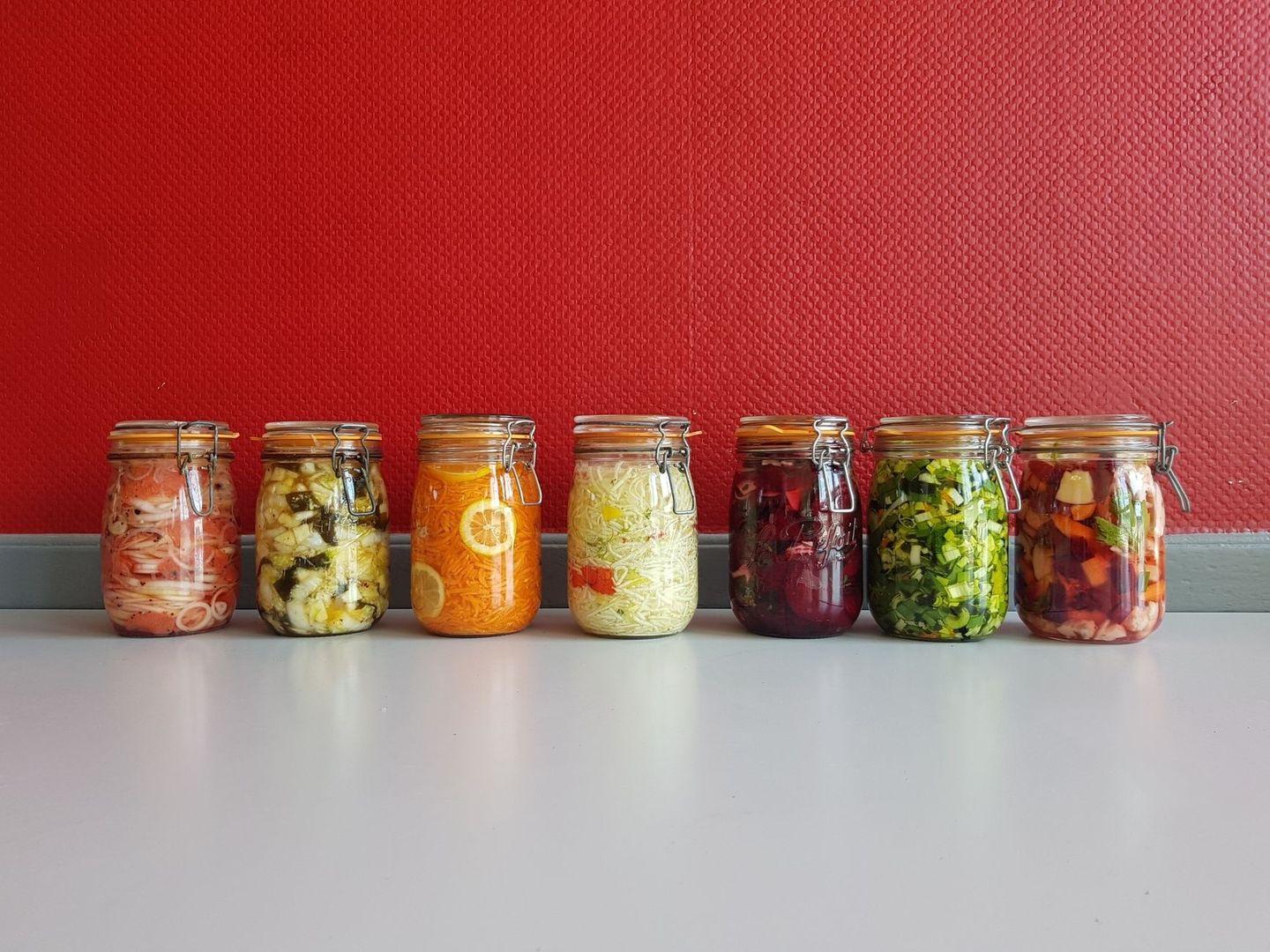
If koji supplies the bass notes, lacto-fermentation often supplies the brightness. In a lacto-ferment, lactic acid bacteria consume sugars in vegetables, fruit, grains, or other ingredients and produce lactic acid. The resulting acidity is generally softer and more rounded than the sharpness of vinegar. It can taste clean, lightly tangy, and refreshing, making it particularly useful in dishes that already contain rich reductions, roasted fats, or concentrated amino sauces.
The contrast is most effective when chefs treat the two methods as complementary rather than interchangeable. Koji tends to deepen and widen a flavor, while lacto-fermentation sharpens its edges and extends its finish. A fermented plum brine might cut through a duck sauce; lacto-fermented cabbage could reset the palate after a buttery course; a bright pepper ferment might give a mushroom garum enough lift to remain suitable for a warm evening service.
| Technique | Primary activity | Typical flavor contribution | Restaurant applications |
|---|---|---|---|
| Koji fermentation | Enzymes break down starches and proteins | Umami, sweetness, nuttiness, mouth-filling depth | Shio koji marinades, miso-style pastes, garums, grain sauces |
| Lacto-fermentation | Lactic acid bacteria convert sugars into lactic acid | Clean acidity, gentle tang, aromatic brightness | Fruit brines, vegetable pickles, fermented hot sauces, acidic garnishes |
The most polished sauces combine both dimensions. Imagine a reduction built from koji-treated mushrooms, finished with a spoonful of lacto-fermented cherry liquid. The mushrooms provide glutamate-rich depth and a dark, earthy aroma, while the cherries introduce acidity and restrained fruit. Neither component needs to dominate. The sauce becomes more expressive because the palate can distinguish its separate movements.
Fermentation also gives chefs a way to preserve seasonal abundance. Summer tomatoes, autumn plums, spring greens, and surplus vegetable trimmings can be transformed into condiments that carry the character of their growing season. In a tasting menu, that preservation work may appear as a small spoonful of fermented juice or a glossy glaze, but it can determine the balance of an entire course. The result is a style of saucecraft that feels both resourceful and highly composed.
Spotting Natural Umami on Tonight’s Menu
Menu language can make fermentation sound more mysterious than it is. “Amino garum” generally points to a sauce made by allowing enzymes, often from koji, to break down a protein-rich or plant-based ingredient into a concentrated savory liquid. “Lacto-plums” or “lacto-peaches” indicate fruit preserved and acidified by lactic acid bacteria. A “shio koji glaze” suggests a seasoning made from koji, salt, and liquid, often used to encourage browning, tenderness, and a gently sweet savory finish.
These preparations are worth ordering when the rest of the dish needs both depth and lift. Fermented sauces pair especially well with beverages that have texture but enough acidity to stay alert. Earthy skin-contact whites can echo the grainy, savory, and lightly oxidative notes of koji. Dry cider is a strong choice for fermented fruit, pork, poultry, or rich vegetables because its acidity refreshes without erasing the dish”s depth. For a more classic pairing, a mineral-driven white wine or a bright, low-tannin red can provide the same balancing function.
- Ask which ingredient was fermented and whether the fermentation is primarily enzymatic or lactic.
- Ask whether the sauce is salty, acidic, sweet, or some combination, since menu descriptions do not always reveal the balance.
- Ask which course best demonstrates the kitchen”s house ferment, particularly if the menu includes a garum, koji glaze, or fermented garnish.
- Ask the beverage team for a pairing that complements acidity and umami rather than simply matching the main protein.
A thoughtful server should be able to explain whether a fermented element is meant to be mixed through the dish, tasted on its own, or saved for the final bites. That service detail matters. A concentrated garum may be powerful enough to season each forkful, while a lacto-fermented fruit garnish may be designed as a palate reset between richer components. The best dining rooms make those choices legible without turning the meal into a lecture.
Elevate Your Next Dining Experience with Fermented Precision
Koji and lacto-fermentation demonstrate that intensity does not have to come from more salt. Enzymes can release glutamate, sugars, and aromatic compounds from grains, legumes, proteins, and vegetables. Lactic acid can bring brightness without the hard edge of vinegar. Together, these techniques let chefs construct sauces that are savory, acidic, fragrant, and persistent in the same bite.
For diners, the invitation is simple: look beyond familiar descriptions and seek out kitchens that make their own ferments, preserve seasonal produce, and treat sauces as carefully as the main ingredient. Ask a few precise questions, choose a beverage with enough freshness, and give each fermented element time to unfold. The next memorable dinner may not announce itself with a heavier hand. It may arrive as a quiet, precise finish that keeps developing long after the plate is cleared.