
The Architecture of a Degustation: How Modern Tasting Menus Tell a Cohesive Story
Beyond Luxury Ingredients: The Quiet Geometry of the Modern Tasting Menu
A degustation menu is often introduced as an inventory of luxuries: caviar, truffles, aged fish, foie gras, or a cut of meat that appears only briefly each season. That framing misses the more interesting achievement. The best tasting menus are not ingredient parades. They are carefully built narratives in which each course changes the diner”s perception of the next. A chilled opening bite can sharpen attention, a warm broth can create comfort, and a restrained dessert can leave the evening feeling complete rather than heavy. For diners planning a special occasion, a tasting menu is best understood as a designed experience, much like an omakase-style journey in which the kitchen controls the sequence and responds to the room.
That sequence matters because a ten-course dinner is also a physical undertaking. Guests must remain curious through several hours of eating, drinking, conversation, and service. A menu that begins with richness and never releases the palate may be technically impressive yet exhausting. A successful one varies temperature, texture, acidity, portion size, and emotional intensity so that the diner feels carried forward instead of managed through an endurance test. Rare ingredients can provide drama, but rhythm is what sustains attention. The quiet geometry of a modern tasting menu lies in knowing when to intensify, when to pause, and when to let simplicity speak.
The Science of Palate Fatigue and Sensory Calibration
Palate fatigue is not simply a matter of getting bored with a flavor. Sensory systems adapt when exposed to repeated or intense stimuli. The brain begins filtering information that remains constant, and taste and aroma can become less vivid as the meal continues. A succession of similarly rich sauces, sugary components, or dense textures therefore reduces the diner”s ability to distinguish subtle differences. The first bite of a buttery emulsion may feel luxurious; the fourth course built around the same sensation can register as weight, even if its ingredients and technique are excellent.
This is why chefs think in terms of recovery as well as impact. Acidity can clear the impression of fat, bitterness can interrupt sweetness, and a change from soft to crisp texture can restore attention. Temperature has a similar effect. A cold, saline course may make a subsequent warm preparation feel more aromatic and generous, while a small portion of broth can provide relief after a concentrated protein. Research and sensory-analysis guidance commonly emphasize breaks, neutral palate cleansers, and changes in stimulus when repeated tasting begins to dull perception. The practical principles are straightforward:
- Vary intensity. Alternate concentrated flavors with delicate preparations so the strongest notes retain their force.
- Use acidity strategically. Citrus, vinegar, cultured ingredients, and fermented vegetables can refresh the mouth without making every course taste sharp.
- Change texture and temperature. Crisp, chilled, aerated, brothy, grilled, and creamy elements each create a different sensory reset.
- Keep portions purposeful. A tasting-menu portion should provide a complete impression without demanding sustained consumption of one idea.
The phenomenon is familiar outside restaurants. Endurance athletes, for example, can develop aversion to repeated sweet gels during long events and often introduce savory foods or broth to restore appetite. The same logic applies at the dining table, although the goal is pleasure rather than performance. A well-calibrated kitchen anticipates the point at which repetition will become tiring and places a palate rest before the diner notices the problem. That decision is a mark of hospitality as much as culinary technique.
The Narrative Arc: How Chefs Sequence Temperature, Acid, and Fat
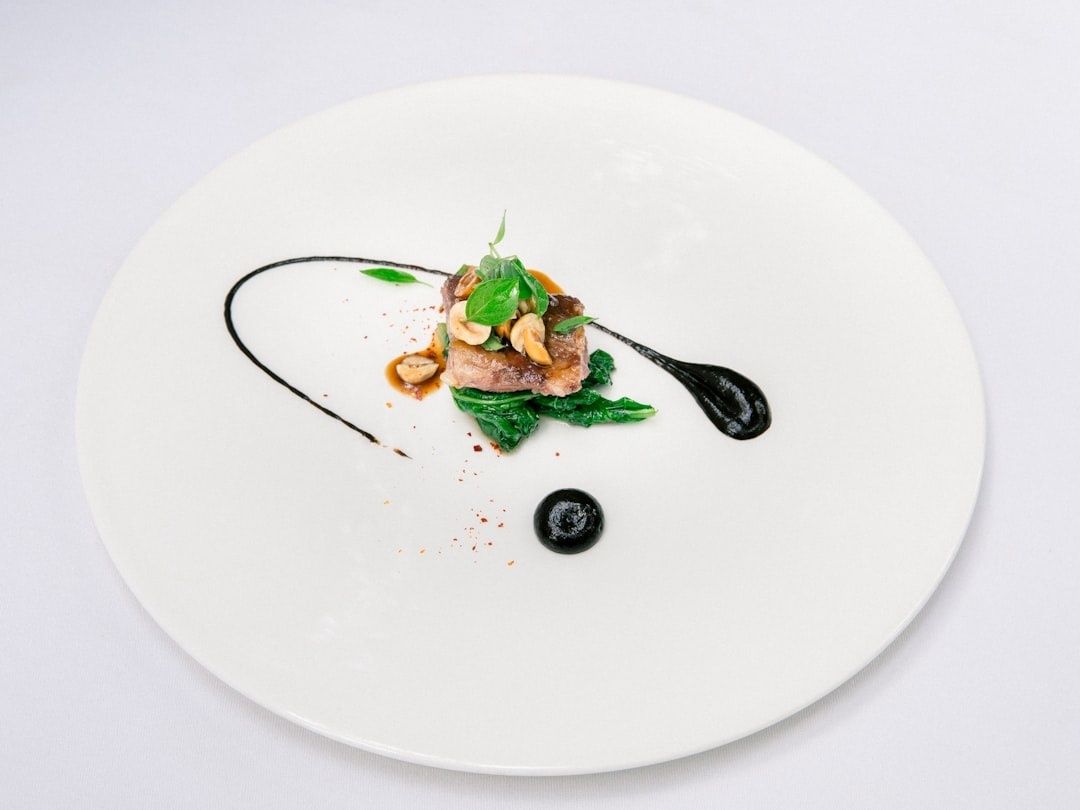
Course order creates expectation. Early dishes generally set the tone with brightness, salinity, freshness, and precision. A raw seafood preparation with citrus, a chilled vegetable composition, or a small tart bite can awaken the palate without filling it. These opening courses often have a narrow sensory footprint, allowing the diner to notice detail. Later, the menu can move toward grilled fish, poultry, meat, or a sauce with greater depth because the guest has been prepared for intensity rather than dropped into it.
Temperature provides one of the most reliable ways to maintain alertness. Chilled preparations feel clean and immediate; warm dishes release aroma and suggest comfort; hot broths create a short, vivid burst of sensory attention. The alternation need not be rigid, but it should feel intentional. Kaiseki and contemporary omakase traditions demonstrate how seasonal ingredients, chef-selected courses, and responsive sequencing can create a sense of progression without relying on a Western starter-main-dessert structure. Modern tasting menus often borrow this flexibility while adding their own vocabulary of fermentation, smoke, botanical infusions, and refined sauces.
| Stage of the meal | Typical sensory role | Useful culinary movement |
|---|---|---|
| Opening | Awaken appetite and establish identity | Chilled temperatures, salinity, herbs, delicate acidity |
| Early middle | Build complexity without fatigue | Raw or lightly cooked seafood, cultured notes, crisp textures |
| Central courses | Deliver depth and satisfaction | Grilling, roasting, richer sauces, measured fat |
| Transition | Clear and refocus the palate | Broth, sorbet, bitter greens, tea, or bright fruit |
| Final savory course | Provide a sense of arrival | Layered umami, grain, pasta, meat, or a composed vegetarian centerpiece |
| Dessert | Resolve the story without excess | Fruit, acidity, restrained sweetness, aromatic warmth |
The central course should not automatically be the most expensive ingredient. A modest mushroom broth, a perfectly cooked grain, or a seasonal vegetable can carry more emotional weight than a luxury protein if the menu has earned that moment. The important question is whether the dish provides arrival, not whether it announces status. A memorable menu may build toward a grilled fish with a clear, intensely reduced sauce, then deliberately retreat into a simple rice course before dessert. That retreat gives the preceding dish room to remain vivid.
Liquid Cadence: Beverage Pairings as Narrative Pacing Tools
A beverage pairing works best when it manages sensation rather than merely repeating flavor. A wine with high acidity can slice through cream, butter, or fatty fish. A lightly oxidative sake may cushion the intensity of fermented ingredients, while a cider can bring fruit, tannin, and effervescence to a dish that would make a still wine feel heavy. Botanical tea extractions can offer aromatic lift without adding alcohol, making them especially useful between savory and sweet courses. The pairing should answer a physical need at the table: refresh, soften, amplify, warm, or slow the diner down.
Alcohol progression also deserves attention across a long sequence. Beginning with a strong, high-alcohol wine can dull perception and accelerate fatigue, particularly when the first courses are delicate. Thoughtful programs may start with sparkling wine, a low-alcohol white, sake, or a bright cider, then move toward fuller wines only when the food becomes more substantial. A nonalcoholic pairing can provide the same structural intelligence through tea, verjus, shrubs, clarified juices, and fermented drinks. When speaking with a sommelier, explain not only favorite grapes but also tolerance, preferred pace, and whether the goal is exploration or restraint. A useful pairing may include:
- Effervescent drinks for opening bites and fried textures
- Mineral, high-acid wines for seafood and creamy preparations
- Lightly tannic or savory beverages for roasted vegetables and mushrooms
- Fuller wines for concentrated sauces and grilled proteins
- Tea, cider, or low-proof options for palate recovery and dessert transitions
It is also wise to remember that tasting is affected by context. Room temperature, fatigue, food intake, travel, and the order of wines can alter perception. A pairing that seems austere at the beginning of service may feel beautifully precise beside a rich course, while an aromatic wine can overwhelm a subtle dish if poured too generously. The strongest beverage programs leave space for adjustment. They do not treat the printed pairing as a fixed performance that must continue unchanged regardless of how the meal is unfolding.
Hospitality Choreography: Pacing, Room Energy, and Emotional Flow
Fine dining pacing is a silent conversation between the dining room and the kitchen. Servers watch the speed of eating, the level of conversation, the number of unfinished bites, and the guests” response to each course. The kitchen listens through timing, plate returns, and the front-of-house team”s updates. When that dialogue works, courses arrive with enough space for discussion but not so much that the evening loses momentum. The goal is not to rush through ten plates. It is to make the passage of time feel natural.
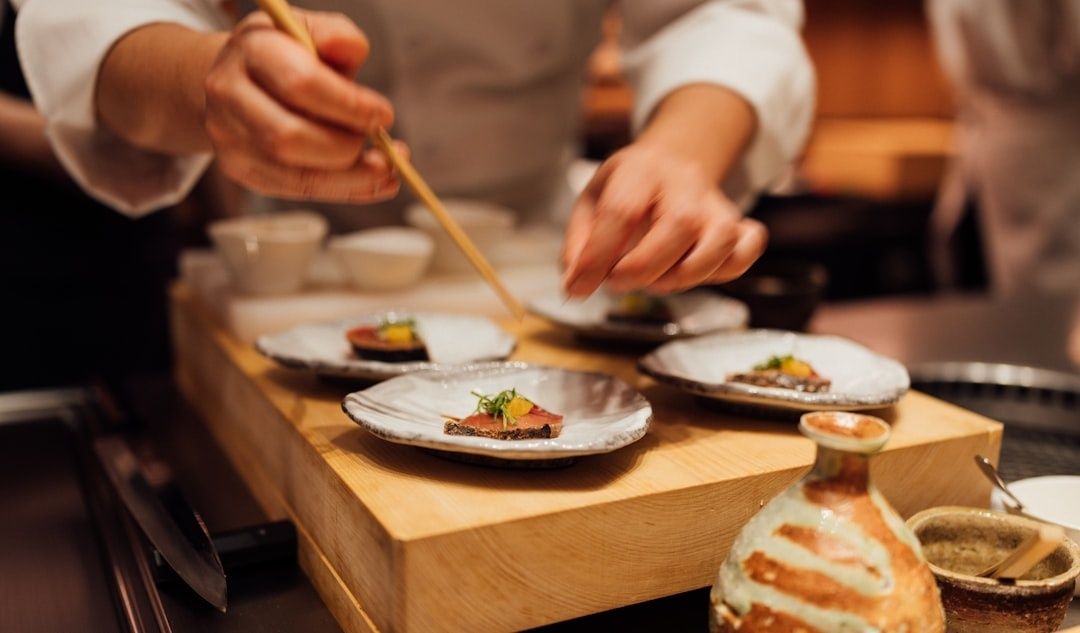
Counter dining makes this choreography visible. Guests may watch a chef slice fish, grill an ingredient, finish a sauce, or adjust a plate in response to the room. Direct interaction can make the menu”s narrative clearer, but explanation should support the food rather than compete with it. Experience design research similarly suggests that memorable hospitality emerges from the combination of sensory stimulation, social exchange, environment, and emotional meaning. Diners can look for these practical markers of structural care:
- A clear opening. The first courses establish the restaurant”s point of view without exhausting the palate.
- Meaningful transitions. Changes in temperature, texture, acidity, and portion size feel deliberate rather than random.
- Responsive service. The team notices dietary needs, eating pace, and beverage preferences without making the guest repeatedly ask.
- A genuine midpoint reset. Broth, vegetables, tea, fruit, or another lighter course restores appetite before the menu becomes too dense.
- A convincing finish. The savory arc reaches a satisfying destination, and dessert resolves the meal instead of simply adding sugar.
Choice can also be part of hospitality. Some modern restaurants offer four, six, or twelve courses, allowing guests to choose an experience suited to their appetite and occasion. That flexibility counters the old perception of tasting menus as fixed endurance tests. Reservation-based formats can also improve purchasing and reduce waste because the kitchen knows how many diners to expect. For a celebratory dinner, a longer menu may be worth the time; for a business meal or a first visit, a shorter format can provide a more approachable introduction.
How to Approach Your Next Tasting Menu with a Refined Eye
On the next visit, look beyond the ingredient list. Notice how a dish changes the sensation left by the previous one. Does a sharp seafood course make a creamy preparation feel more generous? Does a warm, aromatic plate arrive after enough coolness to make it feel especially inviting? Is there a moment when the menu gives the palate permission to rest? These transitions reveal more about the chef”s craft than the number of rare ingredients named on the menu.
Planning improves the experience. Ask whether the restaurant offers a shorter tasting option, how long the full menu typically lasts, and whether the pairing can be adjusted toward low alcohol or no alcohol. Tell the sommelier about preferences before service begins, including sensitivity to sweetness, tannin, or alcohol. If dietary restrictions are involved, communicate them at booking rather than at the table. A well-designed degustation is a coherent narrative performance, but it remains hospitality first. When restraint, rhythm, temperature, and liquid cadence work together, the dinner becomes more than a sequence of plates. It becomes a generous invitation to pay attention.