
Forgotten Roots: How the Mid-Century Midwestern Supper Club Shaped Modern Dining
Rediscovering the Art of the Long Evening
Modern dining often runs on a precise clock. In fast-casual rooms, guests may order, eat, settle the check, and clear the table in less than an hour. Even full-service restaurants frequently build their economics around ninety-minute turns, especially during peak periods. That efficiency can be useful, but it changes the emotional shape of dinner. A meal becomes a sequence of transactions rather than an occasion with room to unfold. For diners seeking a more deliberate night out, a classic prime rib tradition offers a useful reminder that generosity is measured in time as well as portion size.
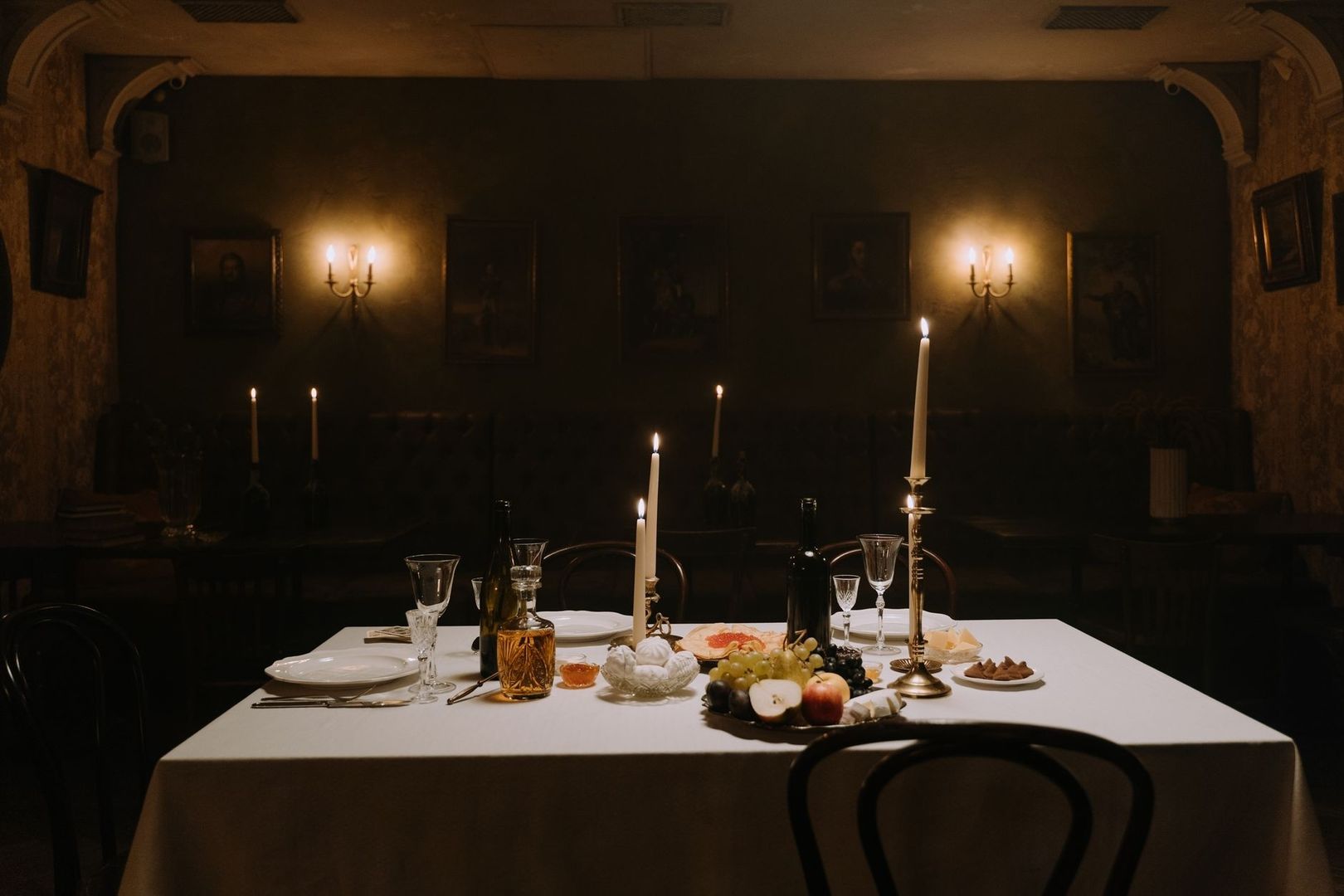
The mid-century Midwestern supper club followed an entirely different script. Guests arrived for cocktails, settled into the bar, requested a table when ready, and moved through a meal that could occupy several unhurried hours. The restaurant was not simply a place to consume dinner. It was a destination, a gathering place, and a dependable stage for conversation. In Wisconsin especially, independently owned supper clubs became architectural masterclasses in intentional hospitality, using warm lighting, horseshoe bars, modest menus, and familiar rituals to make strangers feel temporarily connected. Their enduring lesson is remarkably current: when a restaurant protects the guest”s time, dinner can become a genuine form of leisure.
The Anatomy of Unrushed Arrival at the Horseshoe Bar
The supper club experience began before anyone saw a dining table. Guests entered through a room shaped around the bar, often a polished horseshoe that made conversation feel natural whether a party arrived together or separately. Instead of standing in a narrow waiting area while checking a reservation app, diners ordered a drink, found a seat, and allowed the evening to establish its own rhythm. A table was not a destination to reach as quickly as possible. It was the next stage of a social occasion.
Wisconsin”s signature brandy Old Fashioned set the tone. Built with sugar, bitters, fruit, brandy, and soda, it was softer and more generous than the whiskey-forward versions familiar elsewhere. Korbel brandy became especially associated with the regional style, whose roots reach back to Prohibition-era drinking culture. A grasshopper, meanwhile, offered a vivid after-work indulgence: minty, creamy, and unmistakably festive. These drinks were not designed merely to occupy a guest while the kitchen prepared food. They were part of the meal”s architecture, giving diners a reason to linger and bartenders an opportunity to welcome them by name.
That opening drink also transferred anxiety away from the diner. There was no immediate pressure to make every decision, no server waiting for a full order before the guest had settled in, and no sense that an empty table represented lost time. The bar functioned as a community room, information desk, and hospitality buffer. Its value can be translated into several practical principles:
- Stage the welcome. A drink, small bite, or comfortable seat gives guests time to transition from the outside world.
- Make waiting social. A well-designed bar turns unavoidable pauses into part of the experience rather than an operational problem.
- Keep the first decision easy. A focused cocktail list and a few familiar signatures reduce menu anxiety while setting the restaurant”s point of view.
- Let the room breathe. Guests should feel invited to continue a conversation, not reminded that another reservation is approaching.
The Quiet Genius of the Relish Tray and Communal Cracker Basket
The relish tray was one of the supper club”s most effective gestures because it arrived without ceremony or negotiation. Before the menus had been studied and long before a check appeared, the table received something to share. The tray communicated abundance in a quiet way: the restaurant had prepared for the guests, and the first pleasure of the meal did not require an additional purchase. It was a welcome rather than a sales tactic.
Its appeal came from contrast. Crisp celery offered cool, watery crunch; radishes brought peppery brightness; pickled peppers and gherkins supplied acidity; olives added brine; and a cheddar cheese spread provided salt, fat, and a soft, savory finish. A basket of crackers made the arrangement practical, turning separate ingredients into small, informal bites. The tray could also include seasonal vegetables, pâté, cured meats, or inherited local specialties. Contemporary guidance on assembling a relish tray emphasizes the same balance of pickled, brined, fresh, creamy, and crunchy elements found in supper-club service, with small bowls and varied heights making the spread easy to reach and visually generous.
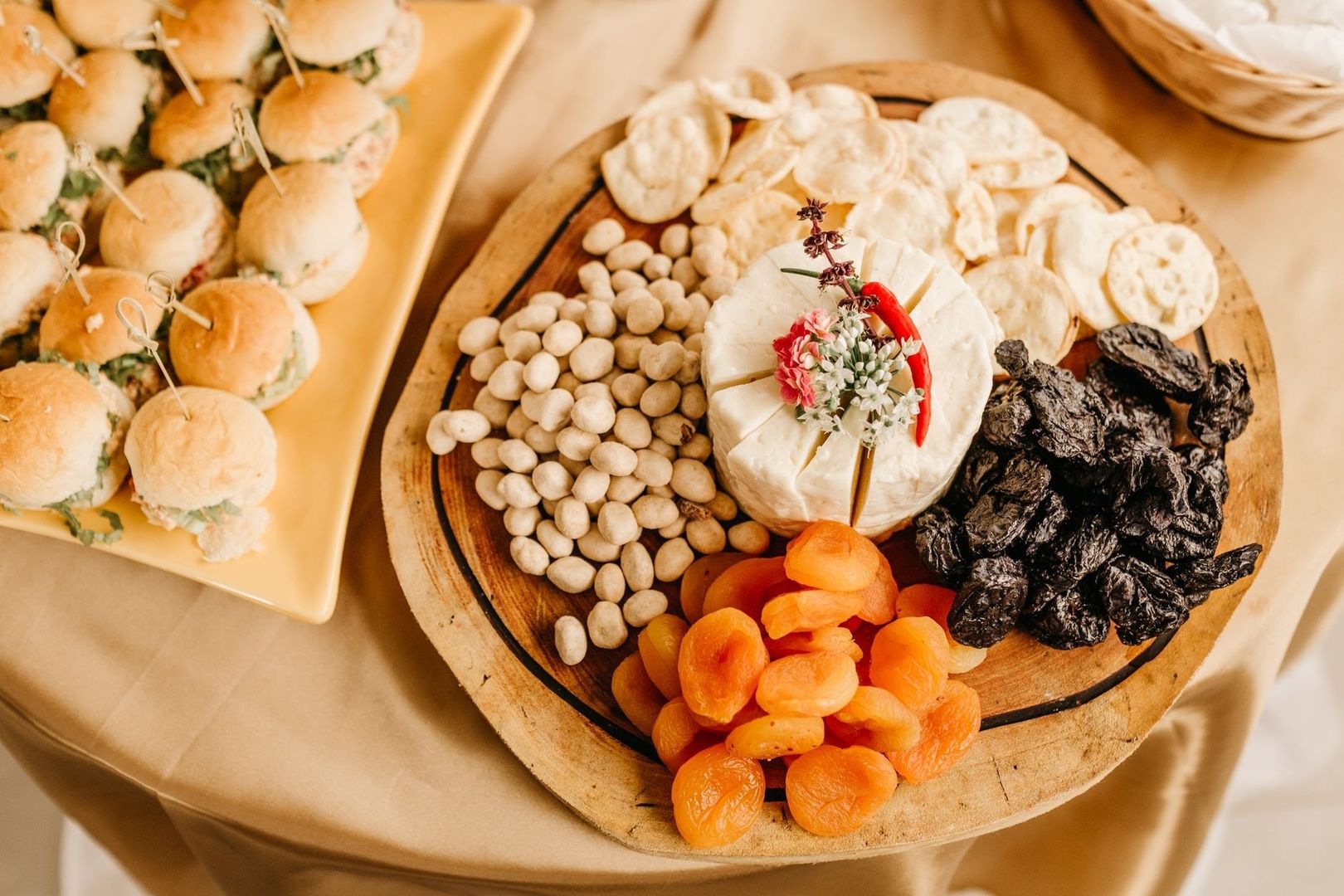
Modern restaurants are returning to this logic through complimentary bread service, welcome snacks, shared boards, and small pre-meal bites. The strongest examples work because they foster warmth before the formal course sequence begins. A bowl of warm crackers or a plate of vegetables gives the table an immediate point of focus, particularly for groups with different arrival times. For home hosts, the format remains flexible and approachable:
- Combine fresh vegetables with something pickled and something brined.
- Add a spread or soft cheese for richness, then provide sturdy crackers for texture.
- Use small dishes for olives and other ingredients held in liquid.
- Distribute colors and textures across the tray so every seat has an appealing choice.
- Include small tongs, picks, or cocktail forks to keep the experience relaxed but tidy.
Comparing Supper Club Cadence to Contemporary Restaurant Flow
The contrast between a supper club and a contemporary urban restaurant is not simply a matter of old décor versus new design. It is a difference in operational philosophy. A modern dining room may compress arrival, ordering, cooking, payment, and departure into a carefully managed sequence. The supper club separates those stages, allowing each one to carry its own pleasure. That structure can feel slower, but it also makes the guest experience feel fuller.
| Experience element | Transactional restaurant flow | Mid-century supper club cadence |
|---|---|---|
| Arrival | Immediate seating or brief wait | Cocktail and conversation at the bar |
| Menu | Broad choice or rapid tasting progression | Short, dependable menu built around house specialties |
| Meal pacing | Courses timed for efficient table turns | Distinct stages with space between them |
| Hospitality | Service focused on accuracy and speed | Service focused on recognition and continuity |
| Finish | Check presented soon after the final bite | Dessert drinks and a return to the bar |
For operators, this cadence offers a useful blueprint without requiring a literal recreation of a 1950s dining room. Staging matters: the bar can absorb early arrivals, a brief menu can reduce kitchen friction, and dessert drinks can extend the visit without demanding a new production system. Perceived value rises when guests feel they received several experiences in one evening, including arrival, dinner, dessert, and conversation. The supper club understood that hospitality is not only what reaches the table. It is the quality of the transitions between those moments.
Prime Rib and Ice Cream Cocktails as Enduring Centerpieces
Supper-club menus gained strength from consistency. Prime rib, Friday fish fries, steaks, and other surf-and-turf staples were not chasing novelty. They gave regulars a reason to return and allowed the kitchen to develop dependable technique. A slow-roasted prime rib, carved to order, carried the reassuring authority of a house specialty. Its appeal was tied to preparation as much as flavor: a deeply browned exterior, a tender rosy center, and enough rendered richness to stand up to horseradish, gravy, or au jus.
The service itself created ceremony. A server or carver presented the roast, sliced it to the guest”s preference, and finished the plate with au jus. The loaded baked potato, often crowned with butter, sour cream, chives, and bacon, made the meal feel abundant without requiring a crowded plate. Friday fish fries served a similar role, combining crisp coating, tender fish, familiar sides, and a weekly rhythm that connected the restaurant to local life. In both cases, the menu”s predictability was a virtue. Guests were not asking what had just arrived on the chef”s tasting menu. They were returning for something the restaurant understood thoroughly.
Dessert drinks completed the evening with equal confidence. Blended Brandy Alexanders and Grasshoppers were creamy, cold, and deliberately nostalgic, while Pink Squirrels added another colorful option to the supper-club repertoire. Their purpose was not only sweetness. These drinks kept guests seated after the plates had been cleared, extending conversation and giving the meal a graceful final act. The bar remained central because diners could return there after dinner, transforming the end of the meal into another social chapter rather than an abrupt departure. For a modern restaurant, the lesson is clear: a memorable finale does not need to be complicated. It needs to feel considered, distinctive, and worth staying for.
Bringing Supper Club Hospitality Back to Your Own Table
The renewed interest in supper clubs reflects a broader hunger for generous, deliberate dining. Digital reservation timers, compressed service windows, and constant phone attention have made diners more aware of how rarely a restaurant protects the evening. The appeal of the supper club is therefore not limited to nostalgia. It is a response to a contemporary need for spaces where people can settle in, share familiar food, and enjoy hospitality without being hurried toward the exit.
That spirit can be recreated at home or adapted by restaurants of any scale. The goal is not to imitate every piece of mid-century décor. It is to design a sequence that makes guests feel cared for from arrival through the final drink.
- Welcome guests with a prepared drink or a simple relish tray before asking them to make major menu decisions.
- Choose one dependable centerpiece, such as a roast, baked fish, or generously dressed casserole, and build the meal around it.
- Serve food in stages so conversation has room to develop between courses.
- Offer a dessert drink, coffee service, or small sweet that encourages guests to remain at the table.
- Remove unnecessary pressure by preparing the room, setting out shared utensils, and making second helpings easy.
The supper club”s lasting legacy is the conviction that dinner can be a communal refuge rather than a transaction. Its best practices remain practical: welcome people before selling them anything, make food familiar without making it careless, and treat time as an ingredient in the experience. For diners planning a special night and hospitality leaders shaping a room, that is a blueprint worth preserving. The most memorable table is often the one that gives everyone permission to stay.